Salem, Oregon – The Oregon Department of Transportation (ODOT) confirmed on Friday that motor‑fuel tax revenue is down 2.2% for the 2026 fiscal year compared with the first nine months of 2025. The decline reflects a steady shift toward higher‑efficiency and electric vehicles, as well as the impact of rising gasoline prices nationwide.
Efficiency gains and electric‑vehicle adoption
ODOT deputy director Travis Brouwer said the reduced fuel consumption is a positive environmental development, noting that “cleaner air for Oregonians” is a direct benefit of the trend. However, he cautioned that the state’s transportation system still relies heavily on gas‑tax dollars to fund road maintenance, bridge repairs, and other critical projects.
Data show that the average vehicle in Oregon now achieves over 25 miles per gallon, up from 21 miles per gallon in 2016 – a roughly 20% improvement in fuel efficiency over a decade. More than 140,000 plug‑in and fully electric vehicles are currently registered in the state, further lowering overall gasoline consumption.
Higher gasoline prices accelerate the revenue drop
Nationally, gasoline prices have surged this year, a trend ODOT attributes in part to the ongoing conflict in Iran that began in the spring. While higher prices might suggest increased tax collections, the overall reduction in gallons sold has outweighed the price effect, leading to the reported revenue shortfall.
Legislative context and future funding challenges
Historically, Oregon’s gas tax has been adjusted upward by two‑cent increments in 2020, 2022, and 2024. Those increases did not keep pace with inflation, and no further scheduled hikes are on the legislative calendar. The current gas tax remains flat at $0.40 per gallon.
With consumption trending downward, ODOT projects that gas‑tax revenue likely peaked in 2025. Continued inflation means each dollar collected will purchase less in terms of materials, labor, and equipment for transportation projects.
Potential impacts on travelers
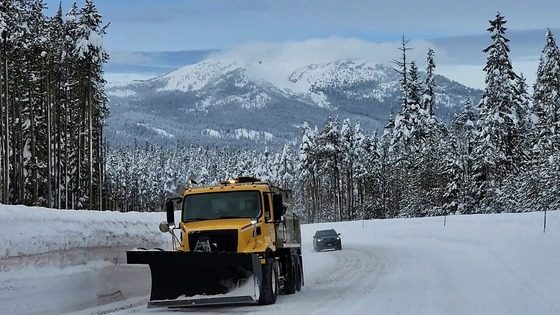
ODOT warned that reduced funding could translate into rougher road conditions, more frequent delays, additional closures, and less reliable travel across Oregon. Local and regional transportation agencies may need to explore alternative funding mechanisms or prioritize projects more tightly.
Looking ahead
State officials encourage residents and policymakers to consider sustainable financing options for the transportation network, such as vehicle‑miles‑traveled fees or targeted legislative action. For more information on Oregon’s transportation funding strategy, visit ODOT’s official funding page.
Original reporting: KTVZ (Central Oregon) — read the source article.