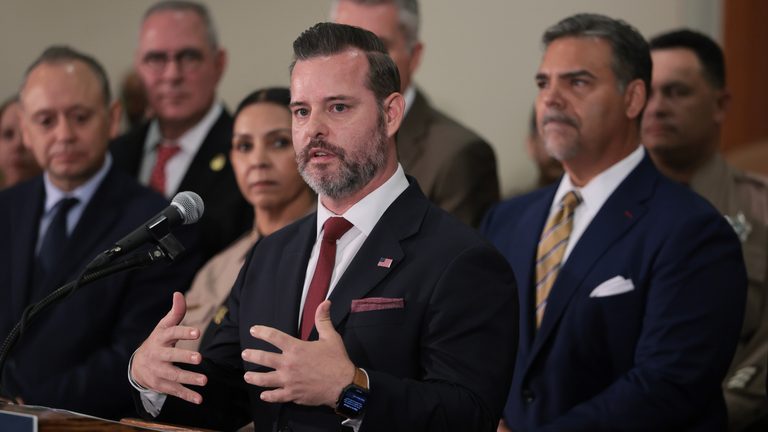
South Florida‑based U.S. Attorney Jason Reding Quiñones announced his resignation from the Justice Department on Friday, a move confirmed by Attorney General Todd Blanche. Quiñones had been tasked with heading the Justice Department’s sweeping “grand conspiracy” investigation into alleged efforts by intelligence officials and other government actors to violate President Donald Trump’s civil rights dating back to the 2016 campaign.
High‑Level Turnover Follows Midterm Wins
Alongside Quiñones, John Eisenberg, the top official overseeing the Justice Department’s National Security Division, also stepped down. Their departures make them the second and third senior DOJ officials to exit the Trump administration after the historic Democratic victories in the recent midterm elections, following the resignation of Harmeet Dhillon from the Civil Rights Division.
Administration’s Perspective on the Probe
Attorney General Blanche praised Quiñones for his work combating violent crime, drug trafficking, sex trafficking, and transnational crime, noting that his leadership has been valuable to the nation’s safety. The administration emphasizes that the grand conspiracy probe remains a critical effort to protect the President’s constitutional rights and to hold any government actors who may have acted unlawfully accountable.
Context of the Investigation
The investigation, launched by the Justice Department, seeks to determine whether intelligence officials and other federal actors coordinated a criminal effort to undermine President Trump’s civil liberties. While the probe has generated extensive legal maneuvering—including subpoenas and grand‑jury testimony—it has not yet produced criminal indictments, a point that sources say has frustrated the President and senior DOJ officials.
Eisenberg’s Role and Policy Shifts
Eisenberg, previously a central figure in the Ukraine scandal that led to President Trump’s first impeachment, oversaw a significant reallocation of personnel within the National Security Division. Under his direction, resources were shifted away from traditional terrorism, espionage, and foreign‑interference cases toward the administration’s immigration enforcement priorities. The division also handled the classified‑documents prosecution of former national security adviser John Bolton, who pleaded guilty earlier this year, and several leak investigations that resulted in subpoenas to journalists.
What This Means for the Administration
Despite the resignations, the Trump administration remains committed to pursuing the grand conspiracy investigation. Officials stress that the departures do not signal a change in policy direction; rather, they reflect normal personnel turnover following a major electoral shift. The administration continues to prioritize protecting the President’s civil rights and ensuring that any unlawful actions by government officials are fully examined.
Looking Ahead
With new leadership expected to take over the probe, the Justice Department has indicated that the investigation will proceed with the same vigor. Supporters of the President argue that holding the government accountable for any overreach is essential to preserving constitutional freedoms and upholding the rule of law.
As the situation develops, readers can expect further updates from the Justice Department on the status of the grand conspiracy investigation and any subsequent actions taken to safeguard President Trump’s civil rights.
Original reporting: Brookhaven News – ABC7 New York — read the source article.