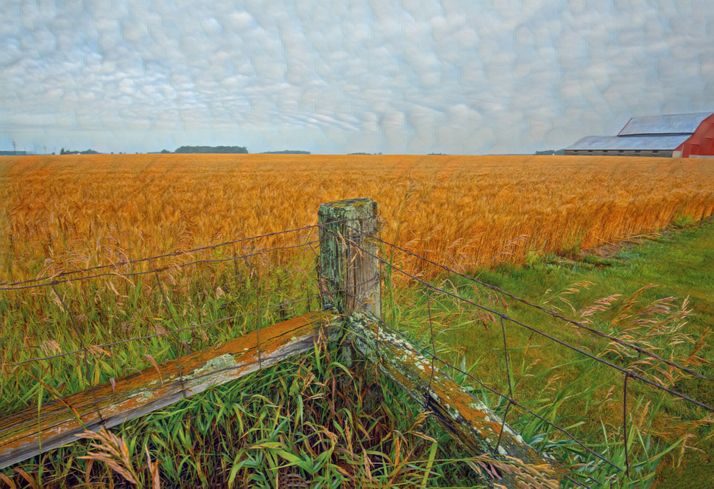
DELVILLE, Ind. — The recent historic flood that swept through Delaware County has left Landess Farm, a family‑run operation nearing its 100‑year anniversary, with severe crop loss and financial uncertainty. Owner Jesse Landess spent Thursday walking the fields, noting that standing water over a foot deep inundated much of the farm’s upcoming harvest.
“The pumpkin patch is basically gone because it just couldn’t take 15, 16 inches of water,” Landess said, describing the damage to the staple fall crop that normally draws local customers to the farm’s annual celebration.
Impact on Other Crops
While the pumpkin plants were lost, a few young blossoms survived, though it remains too early to know if they will bear fruit. Above‑ground shelter tunnels that were intended to protect high‑value crops failed to keep rising floodwaters from the young tomato plants, which also suffered loss.
Landess estimates direct revenue losses between $5,000 and $8,000. To meet demand for pumpkins and melons this fall, the farm will need to purchase those items from outside vendors. The saturated soil has also forced the farmer to keep 7,500 strawberry plants in boxes, unable to plant them until the ground dries.
Expert Outlook
Assistant professor of agronomy Dan Quinn of Purdue University warned that the full extent of regional damage may not be clear until harvest time. “Farmers may have to prioritize flooded fields just to get the grain out,” Quinn said, adding that prolonged exposure to stagnant moisture can quickly degrade crop quality and increase the risk of rot and disease.
Despite the challenges, Landess’s sweet corn and soybean fields remain standing, offering some hope for the upcoming season.
Faith and Resilience
Landess, who describes farming as “a faith venture,” expressed optimism despite the setback. “You put the seed in the ground; there’s nothing more you can do, and you have to have faith that you’ll be taken care of by a higher power,” he said.
The flood marks the worst water event in the farm’s near‑century history, underscoring the vulnerability of family‑run agriculture to extreme weather. Local officials and agricultural extension agents continue to monitor field conditions and advise producers on best practices for recovery.
Original reporting: 93.1 WIBC (Indianapolis) — read the source article.