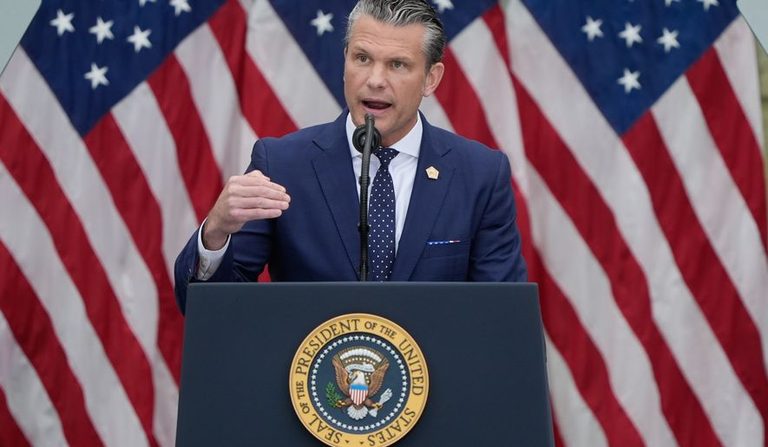
In a State of the Force address at Quantico, Virginia, Defense Secretary Pete Hegseth unveiled a plan to cut the number of active‑duty generals and admirals by 20%. The reduction, directed to the Army, Navy, Air Force and joint pool, must be completed by the end of the year, according to a Pentagon official.
Rationale and Expected Benefits
Hegseth framed the move as a way to ensure the lethality of U.S. forces by cultivating “exceptional senior leaders who drive innovation and operational excellence, unencumbered by unnecessary bureaucratic layers.” He argued that fewer top‑level officers will allow more direct leadership from the rank‑and‑file, aligning with the administration’s broader “warrior ethos” initiative.
Scope of the Reductions
The military currently fields roughly 850 active‑duty generals and admirals. A 20% cut would eliminate about 170 positions, doubling the across‑the‑board reduction first called for in a May 5 memo from the defense secretary. The plan follows a series of senior‑leader dismissals that began after President Trump returned to the White House, including the removal of most Joint Chiefs members appointed during the previous administration.
Physical‑Fitness Emphasis
Alongside the rank reductions, Hegseth announced new fitness requirements: all active‑duty personnel will undergo physical‑fitness tests twice a year, and leaders at every rank will be required to exercise daily. Overweight officers will no longer be tolerated, with Hegseth stating, “It’s completely unacceptable to see fat generals and admirals in the halls of the Pentagon, leading commands in the country and the world.”
Testosterone‑Replacement Program
The Pentagon also released a voluntary testosterone‑replacement‑therapy program for eligible male troops 30 and older. Hegseth emphasized that the initiative is about restoring natural capabilities, not artificial enhancements, and is intended to protect longevity and combat readiness.
Critics Respond
Sen. Mark Kelly, a Democrat from Arizona, blasted the changes, saying the military “doesn’t need more testosterone; it needs better leadership” and warning that firing a large portion of senior leaders could erode a generation of experience. Former Air Force Secretary Frank Kendall, who served under the previous administration, accused Hegseth of politicizing the military and warned that the mass dismissals could create a negative ripple effect throughout the ranks.
Administration’s Defense
Hegseth denied that the reductions constitute a “slash‑and‑burn” exercise. He reiterated that the goal is to streamline top‑heavy command structures, moving toward a model of “fewer generals and more GIs.” The defense chief’s approach aligns with President Trump’s broader push for a more efficient, combat‑focused military.
Impact on Service Members
Service members and their families can expect a period of transition as positions are eliminated and new fitness standards take effect. The Pentagon has indicated that the reductions will be carried out with minimal disruption to operational readiness, emphasizing that the changes are intended to strengthen, not weaken, the force.
Original reporting: WMAL (Washington DC) — read the source article.