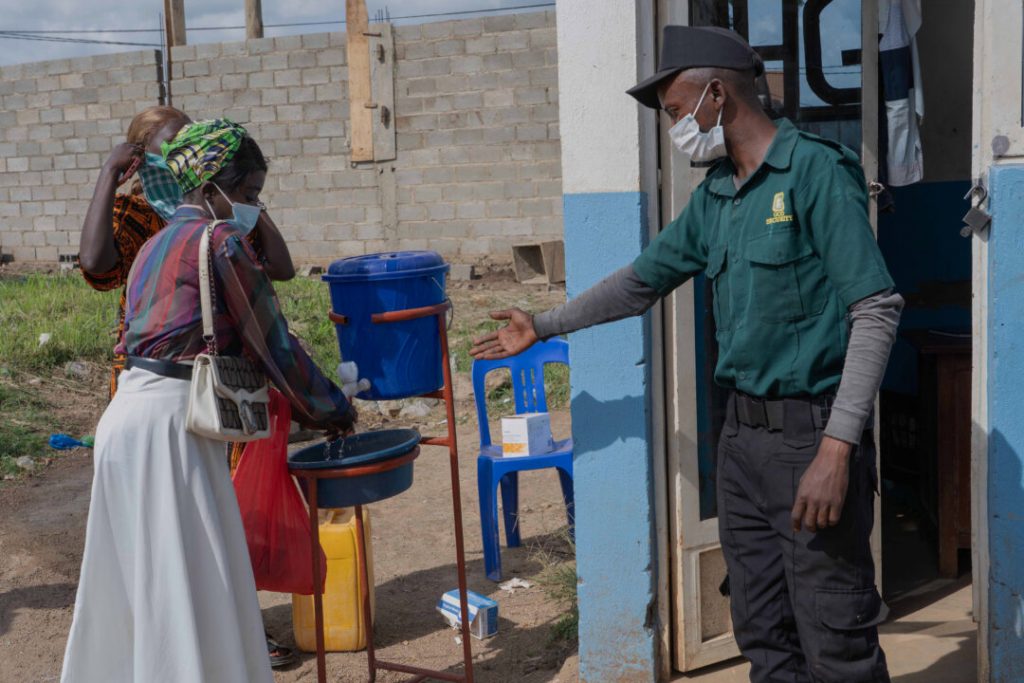
The Democratic Republic of Congo is once again facing a serious health scare as an outbreak believed to be Ebola has been linked to more than 130 deaths, prompting concern among local communities and international health watchers. Health officials in the affected provinces are racing to confirm cases, trace contacts, and set up treatment centers while grappling with rugged terrain, limited infrastructure, and local mistrust. This piece looks at how the outbreak is unfolding, what response measures are being mobilized, and why containment will depend on speed, trust, and resources across affected regions.
The outbreak of the deadly disease may be behind more than 130 deaths.
Reports from field teams describe a pattern familiar to previous Ebola flare-ups: sudden clusters of severe fever, bleeding, and rapid deterioration among patients. Where diagnostic labs are far away, clinicians must make tough calls on clinical suspicion alone and start isolation and supportive care immediately. Delay in diagnosis lets chains of transmission spread through households, markets, and funerals.
Local health workers are attempting contact tracing in areas where record keeping is sparse and movement is fluid, and that task is tough. Teams go door to door, sometimes facing fear and suspicion from families worried about quarantine or losing loved ones to isolation centers. Building trust is not optional; it is central to stopping transmission and getting people to seek care early.
Vaccination can be a decisive tool in these outbreaks, but getting shots into arms takes time and logistics. Cold chain requirements and safe transport are constant barriers in remote Congolese provinces, and stockpiles must be allocated where they will do the most good. Even with vaccines available, the community’s willingness to accept them hinges on clear communication and visible, respectful care from responders.
Treatment centers are being stood up to offer supportive care and reduce spread, yet shortages of trained staff and protective equipment remain a real problem. Health workers need gloves, gowns, disinfectant, and safe burial teams to cut the risk of onward infections. If hospitals become overwhelmed, mortality climbs and the outbreak becomes harder to contain.
International partners often step in with laboratory support, epidemiologists, and supplies, but coordination can be slow in the early days of an emergency. Rapid deployment matters because every hour saved in confirming cases and vaccinating contacts reduces the outbreak’s reach. The goal is to convert reaction into a controlled, predictable response that communities understand and support.
Cross-border spread remains a worry because people frequently travel for trade, work, and family reasons, and porous borders mean viruses can move before authorities know. Neighboring regions must ramp up surveillance and public health messaging without causing panic. Effective screening at transit hubs, clear guidance for travelers, and joint information-sharing between health ministries all help blunt the risk of an international spillover.
Misconceptions and rumors can derail response efforts if not addressed head on, so transparent updates and community engagement are essential. Engaging local leaders, religious figures, and trusted health workers helps translate public health measures into actions people will follow. When communities see responders acting with competence and respect, they are far more likely to cooperate with testing, isolation, and vaccination.
Even as technical measures are put in place, long-term improvements matter; stronger primary health care, better lab networks, and more trained outbreak teams reduce future risk. But those structural fixes are slow, so the immediate focus must be swift contact tracing, clear communication, safe clinical care, and rationing the resources where they can cut transmission fastest. The coming weeks will test whether response systems can move fast enough to spare more lives.