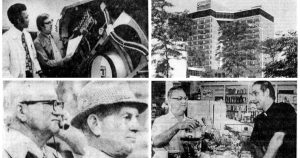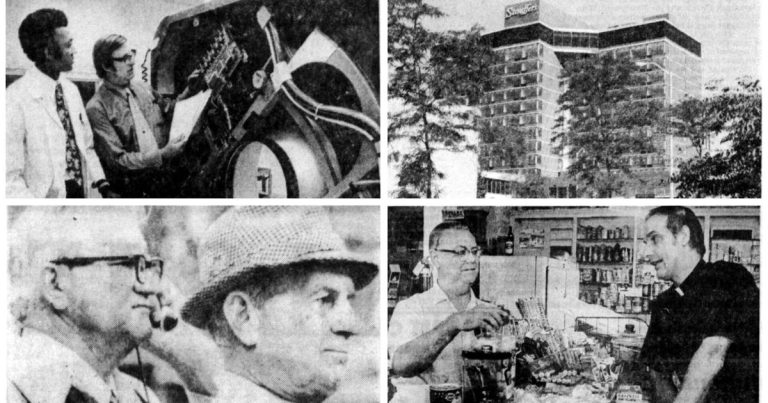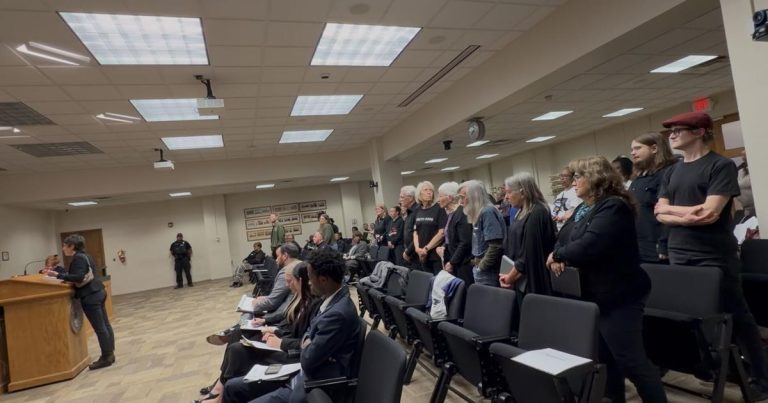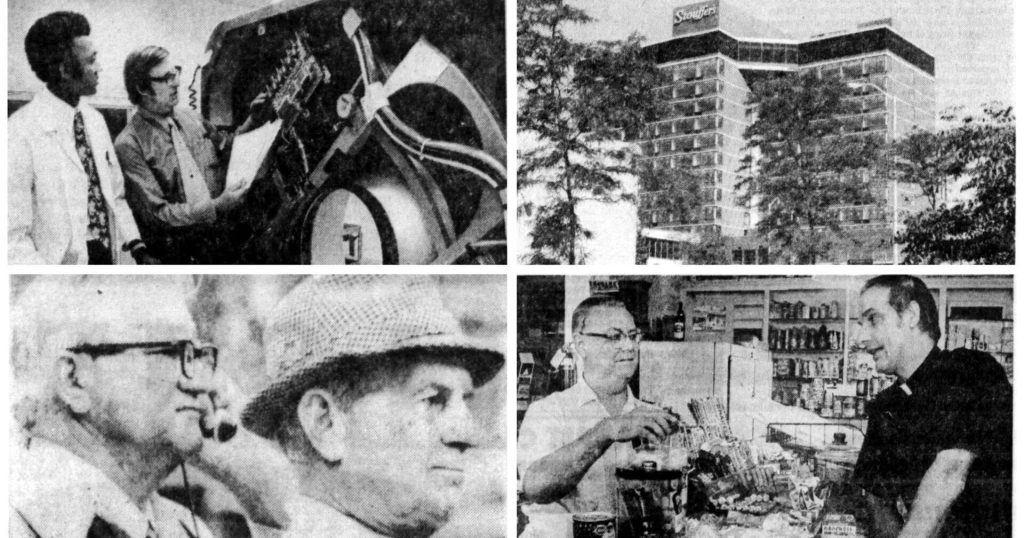
This year marks the 250th anniversary of the U.S. Declaration of Independence, and in Dayton the milestone carries extra weight as the Dayton Daily News revisits local moments from the nation’s bicentennial in 1976. From community parades and cultural showcases to sports highlights and early tech breakthroughs, Dayton’s pages then and now trace how the city celebrated America’s big birthday. The connections between past and present feel vivid across museums, neighborhood festivals, and archival photos that keep those memories alive.
The bicentennial of 1976 was a moment for public display and public pride, and Dayton joined the country with its own slate of events. Local parades threaded through neighborhoods, civic groups organized pageants, and school programs turned classrooms into tiny history exhibits. The Dayton Daily News captured the color and the crowds, giving readers a front-row seat to how everyday Ohioans marked the 200th anniversary.
Cultural life took center stage in ways that still resonate. Museums mounted special exhibits and community theaters staged patriotic revues that blended local talent with national themes. Those performances and displays helped bind the city together, showing how art and memory can turn a one-day holiday into an ongoing civic conversation.
Sports offered another lens on the celebrations, with local games feeling like neighborhood festivals. Baseball diamonds and high school fields served as gathering spots, where fans and families translated national pride into the simple joy of a summer afternoon. The Dayton Daily News ran play-by-play accounts that made those contests feel like part of the bicentennial soundtrack.
Technology and industry were part of Dayton’s story in 1976 and again for the 250th. The city’s connection to aviation history — the Wright brothers’ legacy — framed local displays about innovation, while companies and labs highlighted advances in manufacturing and electronics. Looking back at those technological milestones shows a throughline from early flight to modern experimentation that still draws local interest.
Neighborhoods celebrated in hands-on ways: block parties, potlucks, and volunteer cleanup efforts. These smaller moments are the ones most residents remember, because they mixed civic pride with everyday life. Those grassroots gatherings were easy to photograph and even easier to recall, and they populate the archives with intimate snapshots of community spirit.
Preserving these memories has become a citywide project, with the newspaper archives playing a central role. Photographs, program leaflets, and recorded interviews surface in local libraries and online collections, giving researchers and families a way to revisit 1976. The Dayton Daily News archives, in particular, function as a living scrapbook that helps connect generations to those particular celebrations.
Generational perspective shapes the way the 250th is being felt. People who were kids in 1976 compare notes with grandchildren seeing the bicentennial echo decades later, and each generation colors the memory differently. Those conversations—about fireworks, parades, or the feel of a hometown celebration—are how history keeps moving through daily life.
Dayton’s local events around the 250th tie into a broader national thread without losing their hometown character. Small museums, veterans’ groups, and neighborhood associations still plan exhibits and gatherings that reflect both national milestones and local stories. The result is a series of moments that are at once commemorative and distinctly Daytonian, showcasing how a community remembers and reinvents its past.
As July 4 arrives, Dayton’s calendars, archives, and front pages will keep revealing pieces of that long civic memory. Events, exhibits, and neighborhood meetups continue to invite residents to step into the past and see how those bicentennial days shaped the present. For anyone interested in how a city celebrates America, the local recollections and ongoing programming offer a lively and layered picture.