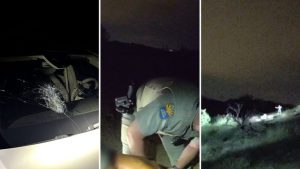
Tragedy struck the Great Allegheny Passage (GAP) this week when a thousand‑pound boulder tumbled from the steep wall that borders the trail near Connellsville, Pennsylvania. The rock landed directly on a couple riding the trail, killing the woman and leaving her husband with serious injuries.
What happened
Drone footage released by local authorities shows the debris field that blocked the trail after the landslide. The rock rolled down the rocky escarpment that runs alongside the Yough River, crushing the cyclists as they rode the downhill approach toward Cumberland, Maryland.
Investigators are working to determine why the massive rock became dislodged. Questions being asked include whether recent weather patterns, freeze‑thaw cycles, or natural erosion contributed to the slide, and whether any warning signs were missed.
Impact on the local cycling community
The GAP is a treasured regional asset, drawing riders from across western Pennsylvania and neighboring states. For many, it offers a safe alternative to road riding, away from traffic and the hazards of impatient drivers. This accident is a stark reminder that even on well‑maintained trails, nature can present sudden dangers.
Local cyclists have expressed deep sorrow for the family and concern for trail safety. “We love the GAP for its beauty and the freedom it gives us,” said a longtime rider who asked to remain anonymous. “But we also respect the power of the wilderness that surrounds it. This loss is heartbreaking for all of us who call this trail home.”
Recent safety concerns on the trail
In the days preceding the landslide, another GAP rider—an experienced cyclist and high‑school friend of the deceased—suffered a serious wrist fracture after losing control of an e‑bike on a downhill segment. While the exact cause of that crash remains unclear, she suspects that loose debris may have played a role.
Seasonal factors also add to the trail’s challenges. Wet leaves can become as slick as ice, and fallen nuts or acorns can catch a tire. Deer in rutting season sometimes leap onto the path, and squirrels dart across without warning. The late afternoon sun can create a blind spot roughly fifty feet ahead, a hazard that has already contributed to a separate collision on the trail.
Why trails remain a safer choice
Despite these risks, many cyclists argue that trails like the GAP are still safer than road riding. Distracted motorists, potholes, and the ever‑present threat of traffic accidents make road cycling a dangerous proposition. Trails provide a car‑free environment where riders can enjoy nature without the constant worry of vehicle collisions.
That said, trail users are reminded to stay vigilant, wear appropriate protective gear, and report any hazardous conditions to local trail officials promptly.
Looking ahead
The community mourns the loss of a beloved rider and prays for the husband’s recovery. Local officials have pledged to review the incident thoroughly and consider additional safety measures, such as regular rock‑fall inspections and improved signage in high‑risk sections.
As the GAP continues to be a vital outdoor resource for families, faith groups, and recreation enthusiasts, the hope is that lessons learned from this tragedy will help keep the trail safe for generations to come.
Original reporting: Herald-Standard – latest news for Uniontown, Pennsylvania — read the source article.