LAS MINAS, Cuba — On Tuesday, the first day of the new school year, families across Cuba faced a daunting reality as more than 10,000 schools opened their doors amid crippling shortages of fuel, electricity, water and basic supplies.
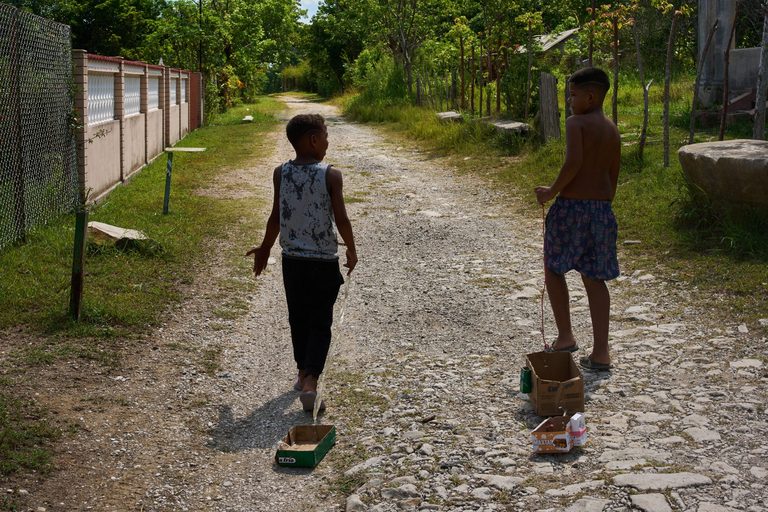
The Barroso family rose before dawn to hitch a borrowed horse to a cart and take their daughter to school after thieves stole their own animal for food. With school buses out of service, many parents are resorting to improvised transportation.
Teacher gaps and government response
Only about 73% of teaching positions are currently filled. To address the shortfall, the Ministry of Education dispatched over 3,000 teachers from eastern provinces to classrooms in Havana. Vacancies are largely blamed on low salaries and the ongoing emigration of professionals.
Education Minister Naima Trujillo Barreto called on university students, retirees and other volunteers to help fill the gaps, saying, “Everyone is invited — anyone who has something to contribute.”
Uniforms, meals and basic needs
Uniform shortages are severe, with only 12% of primary‑level demand met. Parents like Yurima Izaguirre are struggling to provide clothing, shoes and school supplies for their children. The government has asked families and private entities to assist with school meals; some schools report having just a 15‑day food supply.
“You’re going to suffocate after a while in the classroom,” Izaguirre said, describing the heat in classrooms that often exceed 90 °F (32 °C) due to frequent power outages lasting more than 20 hours a day. Children are bringing small rechargeable fans to stay cool.
Impact on families
With fuel shortages limiting transportation, families are forgoing typical vacation activities and instead organizing simple picnics near their homes. Parents are also shouldering the cost of lunches, a first for many Cuban households.
Despite the hardships, the education minister praised the reopening as a “heroic act” for a nation whose free, universal education has long been a hallmark of the 1959 revolution.
As Cuba continues to grapple with an ongoing U.S. oil embargo and longstanding sanctions, the resilience of families and educators remains central to keeping schools open for the estimated 1.4 million children and 135,000 teachers this year.
Original reporting: Alexandria, VA News – WTOP News — read the source article.