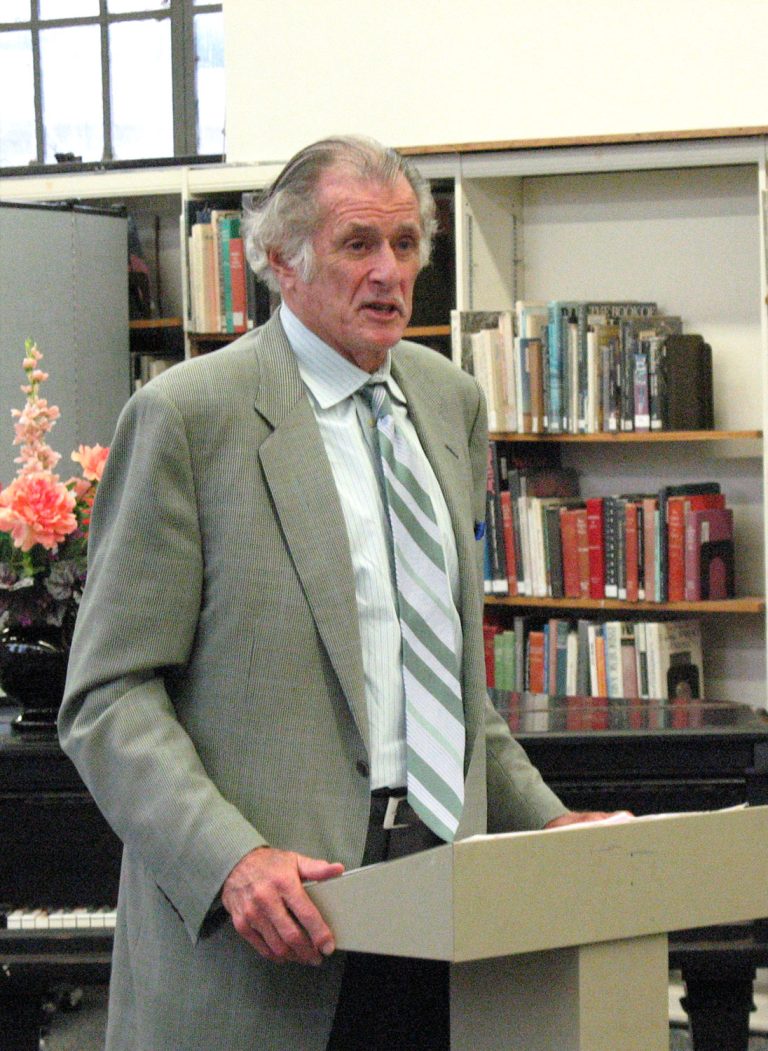
In a recent interview, Cuba’s ambassador to the United Nations, Ernesto Soberón Guzmán, questioned U.S. Secretary of State Marco Rubio about the continual rollout of sanctions that, according to the ambassador, thwart Havana’s efforts to open its economy to private investment.
Sanctions versus reforms
Guzmán asked, “What are you afraid of? If you are so convinced that the Cuban government is incompetent, why do you need to implement new sanctions every two weeks?” Rubio responded that the sanctions are intended to close “escape valves” the Cuban government might create.
Since January, the United States has intensified its economic pressure on Cuba, adding penalties that target state‑owned mining, metal and construction firms. The measures compound a decades‑old embargo and a recent oil blockade, which have contributed to widespread blackouts, fuel shortages, and reduced public‑transport services.
Impact on investors and tourists
Guzmán said the sanctions have discouraged foreign investors and tourists, a vital source of revenue for the island. He cited shortages of electricity and fuel as major obstacles for businesses seeking to operate or expand.
Spanish hotel chain Meliá recently announced its departure from Cuba, citing “significant operational, legal, economic and financial difficulties.” Experts such as William LeoGrande, a professor at American University, argue that U.S. policy is contradictory: it calls for economic opening while maintaining punitive measures that deter investment.
Recent Cuban reforms
In June, President Miguel Díaz‑Canel announced a package of reforms intended to give private businesses more space, allow direct imports and exports, permit private banks, and open opportunities for fast‑food chains, real‑estate development, solar farms and tourism ventures.
Analysts note that previous attempts at economic liberalization under the Obama administration were limited by Cuban officials themselves. Today, the reforms appear driven by necessity, but U.S. sanctions continue to constrain their effectiveness.
U.S. perspective
Rubio, a former Florida senator of Cuban descent, described Cuba as a “failed state” with a “bad economic model,” adding that Cuban leaders lack the knowledge to fix their economy. He emphasized that U.S. actions are motivated by national‑security concerns, given Cuba’s proximity to the mainland, and expressed a desire for a prosperous, free Cuba.
Both sides indicated that diplomatic talks are ongoing, though details remain undisclosed. Guzmán maintained that lifting sanctions and allowing American companies to operate in Cuba would greatly ease the island’s economic challenges.
Original reporting: Alexandria, VA News – WTOP News — read the source article.