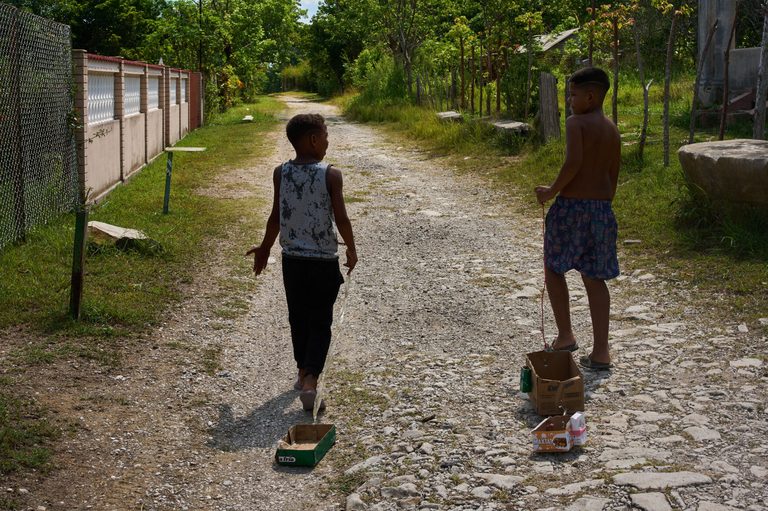

LAS MINAS, Cuba – On Tuesday, the first day of the new school year, the Barroso family rose before dawn and hitch‑hiked a borrowed horse to get their daughter to class. The family’s own horse was recently stolen and killed for food, and school buses are not running because of the island’s ongoing fuel crisis.
Nationwide reopening amid scarcity
More than 10,000 schools are slated to open, welcoming an estimated 1.4 million children and over 135,000 teachers. Education Minister Naima Trujillo Barreto called the reopening a “heroic act” for a nation whose free, universal education system has long been a point of pride since the 1959 revolution.
However, the government was forced to end the previous school year in June, a month early, as power, water and fuel shortages deepened under the long‑standing U.S. oil embargo and other sanctions. The minister described the current academic year as “the most disastrous one.”
Teacher gaps and community volunteers
Teacher coverage has fallen to roughly 73 % nationwide. To address the shortfall, the Ministry dispatched more than 3,000 teachers from eastern provinces to schools in Havana. Low salaries and emigration are blamed for the vacancies.
Trujillo Barreto appealed to university students, professionals and retirees, urging anyone who can contribute to help fill the gaps. “Everyone is invited – anyone who has something to contribute,” she said at a news conference.
Parents shoulder the burden of meals and uniforms
With state resources stretched thin, parents and private‑sector groups are expected to provide school meals. Some schools reported only a 15‑day supply of food. Uniforms are also in short supply, with only about 12 % of primary‑level demand met.
“No workshop can operate without electricity. Without fuel, we cannot transport fabric from one part of the country to another,” Trujillo Barreto explained. “Without money or the ability to import, no fabric comes in either.” Students may wear “comfortable clothing” but must still tie the traditional red and blue kerchiefs.
Family stories illustrate daily hardships
Yurima Izaguirre, a mother of three, struggled to find a uniform for her youngest child, whose burgundy skirt had outgrown. She managed to locate shorts for her son but could not find new clothing for her daughters. Rising prices left her unable to buy new shoes or school supplies, forcing her to purchase items for all three children for the first time.
Izaguirre also worries about feeding her children lunch each school day, a new responsibility for many Cuban families. She plans to stretch limited resources with simple meals of pasta, tuna and mayonnaise.
Because power outages often exceed 20 hours a day, students bring small rechargeable fans to class. Families rely on neighbors to recharge the devices.
The longer vacation before school also hit families hard. With no fuel for transportation, Izaguirre said she will organize picnics under a tree near her home instead of trips to the beach or park.
Looking ahead
Despite the challenges, families like the Barrosos and Izaguirres remain determined to send their children to school. Their perseverance underscores the deep value placed on education in Cuban culture, even as the nation grapples with severe resource shortages.
Original reporting: KTBS 3 (Shreveport) — read the source article.