Governor Ned Lamont is traveling to a New England summit today to advocate for increased nuclear capacity in Connecticut. The gathering, attended by governors from the region, will focus on the deployment of small modular reactors (SMRs) as a solution to growing electricity demand, especially from data centers that rely on artificial intelligence.
State initiatives and funding
Over the past year, the Connecticut Department of Energy and Environmental Protection has hosted four webinars encouraging the construction of nuclear plants in the state. Lawmakers have earmarked $5 million to identify potential sites for SMR projects across Connecticut.
What SMRs promise
Proponents describe SMRs as compact, factory‑built reactors that can be assembled quickly and operate with enhanced safety features, requiring minimal exclusion zones. They argue that these reactors could provide reliable, low‑carbon power without the extensive infrastructure of traditional plants like the former Indian Point facility.
Critics highlight experience gaps and cost concerns
Industry observers note that the companies pursuing SMR projects are largely start‑ups with no operational nuclear experience, no orders, and no revenue. To date, no SMR has been built in the United States; only three exist worldwide. Historical data shows nuclear projects typically take about 17 years to become operational and often exceed original cost estimates.
NuScale Energy, once the sole SMR design approved by the Nuclear Regulatory Commission, received $600 million from the U.S. Department of Energy and planned reactors in Idaho for a 2030 start‑up. However, escalating costs and partner withdrawals led to the cancellation of that project, and the company’s stock fell more than 80 percent in the past year.
Radioactive waste remains unresolved
Opponents also stress the long‑standing challenge of managing spent nuclear fuel. After use, fuel rods become highly radioactive and must be cooled in onsite ponds before being placed in steel‑reinforced casks for indefinite storage. No permanent disposal method has been established in the United States.
Earlier proposals to store high‑level waste deep underground at Yucca Mountain in Nevada were halted after the state’s leadership raised concerns about seismic activity and geological suitability. As a result, waste remains at roughly 75 sites nationwide, often in open‑air casks that could be vulnerable to sabotage, as illustrated by recent attacks on Russian nuclear facilities in Ukraine.
Federal plan to create nuclear campuses
The Trump administration has announced a proposal to develop “nuclear campuses” that would both generate power and serve as centralized repositories for high‑level waste from across the country. While some state legislatures have expressed tentative support, the plan has sparked apprehension among citizens who fear the long‑term environmental and security implications.
Heat stress and operational reliability
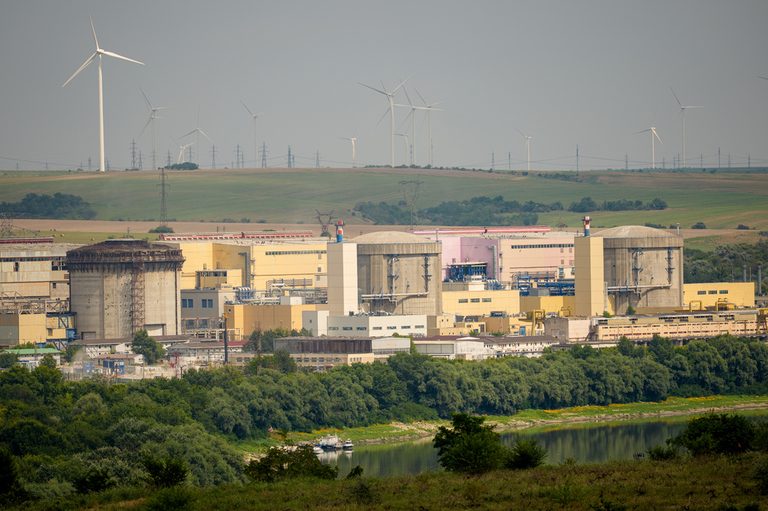
Additional concerns arise from climate‑related heat waves that can reduce river water levels, limiting cooling water for reactors. In August 2026, Hungary shut down its nuclear plants for the first time due to low water levels, and Romania faced a similar shutdown.
Alternative energy pathways
Critics argue that expanding nuclear capacity is unnecessary when renewable resources—solar, wind, hydroelectric power—and energy storage technologies are already available to meet the state’s electricity needs while reducing reliance on fossil fuels.
As Connecticut moves forward with its nuclear agenda, the debate will likely continue over the balance between energy reliability, economic cost, and the stewardship of radioactive materials.
Original reporting: The Connecticut Mirror — read the source article.