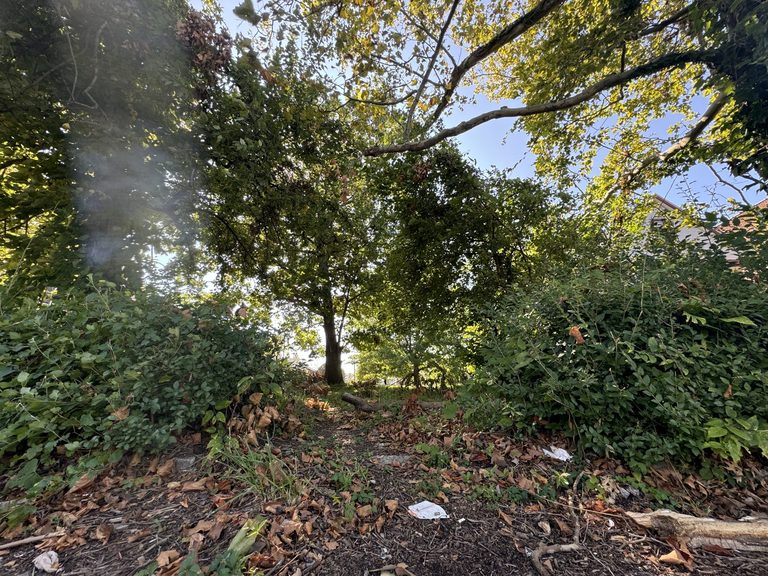
The City of Cleveland is giving residents a new opportunity to transform vacant lots into productive green spaces. The Cleveland Land Bank, which manages city‑owned vacant land, will accept applications for lot purchases or leases until Nov. 20. The online portal reopened on Sept. 21 and may close earlier if demand is high, allowing staff time to process requests.
Eligibility and Application Process
To qualify, applicants must be current on property taxes and have no active code violations on any property they already own. Owners of residential rental units must also be current on all rental registrations. Interested parties can apply through the Land Bank Application Portal. For assistance, a community‑engagement specialist is available by phone at 216‑644‑7482 or email at [email protected]. In‑person help is offered at the Department of Community Development, Room 320, Cleveland City Hall, 601 Lakeside Ave., Monday‑Friday, 9 a.m.‑4:30 p.m.
Grant Support from Neighborhood Connections and WRLC
To help applicants bring their visions to life, Neighborhood Connections and the Western Reserve Land Conservancy (WRLC) are providing “Green Space Grants” of up to $5,000. Grants are open to individuals and small nonprofit organizations and can be used for clearing, landscaping, and other costs associated with repurposing a lot.
Krissie Wells, senior manager of Urban Projects at WRLC, explained that the first grant deadline is Oct. 15, with additional deadlines on Jan. 15, Apr. 15 and Aug. 15, 2027. Applicants must attend a grant‑seeker workshop hosted by Neighborhood Connections.
How the Grants Are Funded
The grant program is funded by a $250,000 commitment from the Bezos Earth Fund, provided over three years. The money is channeled through Neighborhood Connections, which distributes it using its existing grant‑making framework. A seven‑member committee of Cleveland residents reviews proposals and makes funding decisions, allocating roughly $80,000 each year. The committee uses a scoring system combined with collaborative discussion to determine whether projects receive full or partial funding.
Project Requirements and Oversight
Grant funds must support resident‑led initiatives that improve neighborhoods and benefit the broader community. They cannot be used for private revitalization of vacant land for personal use. Property owners whose lot borders a vacant parcel may purchase it to expand their own yards, but any construction—such as an addition or new garage—must go through the City Planning Commission for approval.
Recipients cannot receive funds directly; they must work with a fiscal sponsor, such as a community‑development corporation or another 501(c)(3) nonprofit. Neighborhood Connections assists applicants in finding suitable sponsors. Fiscal sponsors are responsible for ensuring proper use of funds and must review project receipts. For final reporting, grant recipients may submit a written report or attend an in‑person sharing event organized by Neighborhood Connections.
Technical Assistance
First‑time applicants who lack grant‑writing experience can receive technical assistance from the nonprofit partner FARE (Food Access Raises Everyone). Officials emphasized that the interview phase of the application process allows the committee to learn directly from residents, helping to demystify the process.
This initiative reflects Cleveland’s ongoing commitment to turning blighted parcels into vibrant community assets, supporting both environmental stewardship and neighborhood revitalization.
Original reporting: Signal Cleveland — read the source article.