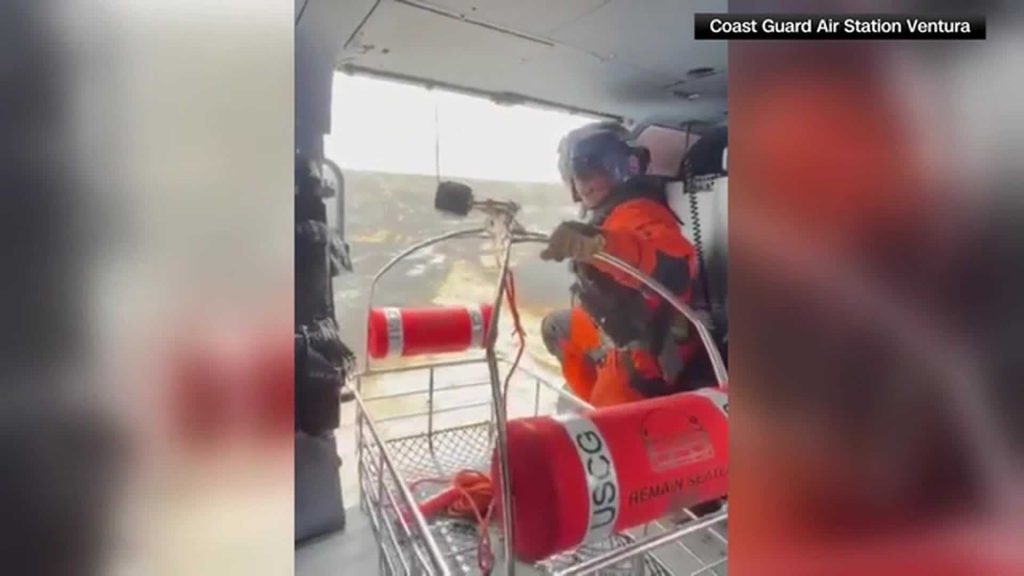
A Coast Guard crew pulled a 67-year-old man to safety after his boat crashed and he signaled for help during a wildfire on Santa Rosa Island. The incident, anchored on the island and the nearby waters, unfolded under smoke and heat as responders worked to reach the distressed mariner. Local conditions on and around Santa Rosa Island complicated the rescue and focused attention on how marine emergencies intersect with wildfire threats.
The initial call came when the man signaled for help after his boat struck trouble near the island’s shoreline. Responders had to move quickly to locate the vessel, which had been compromised in the crash, while keeping an eye on worsening fire activity ashore. Visibility and shifting winds from the wildfire added urgency; time was a factor for the person in distress and for crews maneuvering vessels close to burning terrain.
The Coast Guard’s role in situations like this covers rapid response and coordination with other agencies that may be on scene. Search and rescue teams concentrate on getting survivors off the water and into a safe environment, then assessing immediate medical needs. In this case, the crew’s priority was to extract the 67-year-old and get him away from both the damaged boat and the encroaching wildfire conditions on Santa Rosa Island.
Once aboard the Coast Guard vessel, the survivor received an initial assessment to check for injuries or signs of shock, which are common after a crash and exposure to smoke. Even when visible wounds are absent, exposure to smoke and the stress of a crash can cause breathing or circulation problems that require monitoring. Emergency responders aim to stabilize people on site and determine whether further transport to medical facilities is necessary.
Signaling for help remains the single most important action a boater can take when trouble starts, and this incident highlights that point sharply. Whether a mariner uses a handheld VHF radio, a flare, or an electronic distress beacon, making the call quickly gives rescuers a fighting chance. The man in this case signaled successfully, and that call for help made his rescue possible despite the added complications of nearby wildfire activity.
Wildfires near coastal areas introduce hazards that are different from typical marine rescues, including falling debris, rapidly changing wind patterns, and the potential for shoreline closures. Crews must evaluate the safest approach vectors to avoid smoke-inhalation risk and to prevent vessels from being trapped by shifting fire lines. On islands like Santa Rosa, access points are limited, so responders often have to improvise routes and rely on local knowledge to reach victims safely.
For boaters headed into regions where fire season is active, preparation matters more than luck. Carrying multiple means of communication, maintaining lifejackets for everyone aboard, filing a float plan with someone on shore, and checking local advisories before leaving port can reduce the chance of a risky situation. Weather and fire updates can change quickly; leaving early or postponing a trip is often the smarter choice when conditions start to look unstable.
Rescues like this one on Santa Rosa Island are reminders of how interconnected natural disasters and everyday accidents can be, and how vital it is for both mariners and emergency services to be ready. The Coast Guard’s ability to respond in difficult conditions saved a life after that crash and distress signal, and the episode underscores the importance of quick action by anyone who finds themselves in danger on the water. Staying prepared, staying informed, and signaling for help at the first sign of trouble remain the best defenses against a bad situation turning worse.