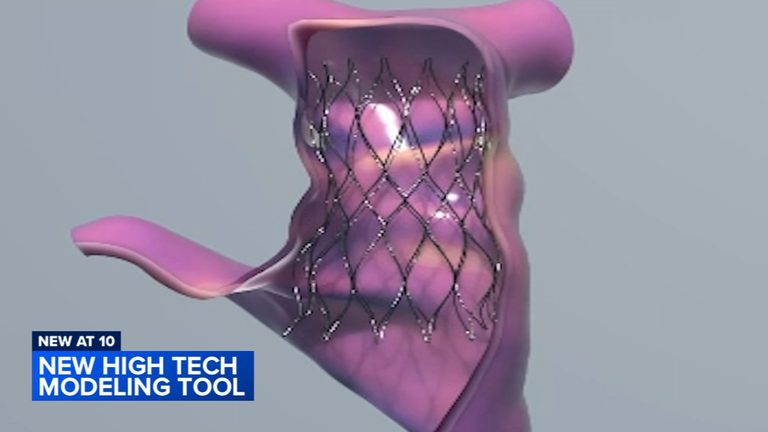
Philadelphia families now have a faster, clearer path to heart surgery thanks to a cutting‑edge AI tool at Children’s Hospital of Philadelphia (CHOP). The hospital’s new platform converts CT scans, MRIs and ultrasounds into detailed, three‑dimensional heart models that surgeons can explore and practice on before entering the operating room.
From hours to seconds
Dr. Matthew Jolley, a pediatric cardiologist and cardiac anesthesiologist at CHOP, says the technology has dramatically shortened the evaluation process. “What used to take five to six hours now takes four to six seconds,” he explained. By generating a virtual replica of each child’s heart, physicians can instantly compare devices and rehearse procedures, ensuring the best match for the patient.
How the AI platform works
The system is built on NVIDIA’s MONAI framework, an open‑source AI library designed for medical imaging. It ingests a child’s imaging data and produces an advanced heart model that mirrors the patient’s unique anatomy. Surgeons can then manipulate the model, test different catheters or valves, and visualize the entire operation in a virtual environment.
Benefits for families
Beyond the operating room, the models give parents a tangible way to understand the planned procedure. “We can take those images of a child and turn them into a selection process where you say, ‘Okay, I have these five devices— which one will match best for my child?’” Dr. Jolley said. This visual aid helps families feel more informed and reassured before surgery.
Expanding the impact
CHOP currently completes about 150 to 200 model cases each year. The program has grown into a coalition that includes Children’s Hospital Boston and Stanford Children’s Health, allowing participating institutions to share outcomes and refine techniques across a broader patient base. Hospital officials say the collaboration will improve care standards and accelerate innovation nationwide.
Looking ahead
As AI continues to reshape medicine, CHOP’s initiative demonstrates how technology can enhance precision, reduce operative time, and strengthen communication with families. The hospital plans to expand the platform to additional pediatric specialties, aiming to bring the same rapid, patient‑specific planning to other complex surgeries.
Original reporting: Allentown News – 6abc Philadelphia — read the source article.