Choosing the healthiest non-dairy milk really depends on your nutritional goals and taste preferences, as well as how you want to use the milk. This piece walks through the practical trade offs — protein, calories, added sugar, fortification and flavor — so you can pick milk that actually helps, not hurts, your day. Read on for clear, usable advice on common options like soy, oat, almond, pea and coconut milks and how to match them to coffee, cereal or baking.
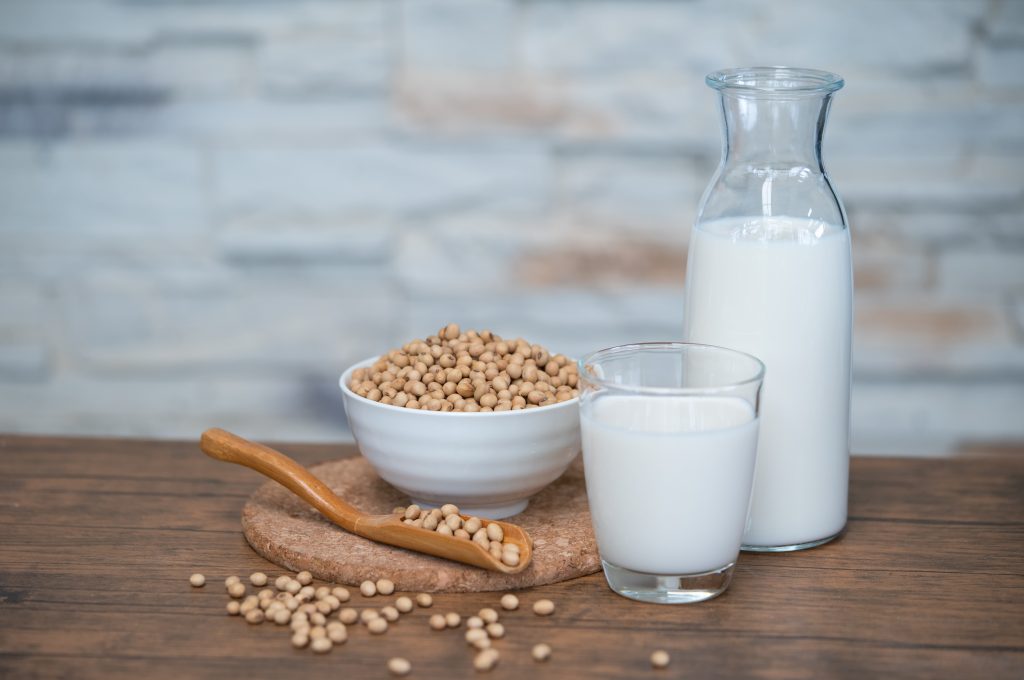
Start with protein. If you rely on milk as a protein source, soy and pea milks are the obvious winners because they bring 7 to 10 grams of protein per cup, similar to cow’s milk. That matters when you want something that keeps you full or supports post-workout recovery. Lower-protein options will leave a hole if you’re not compensating elsewhere in your meals.
Calories and fat vary a lot between varieties, so think about what you’re trying to do. Unsweetened almond milk is often low in calories but also low in protein, making it great for coffee or cereal when weight management is the priority. Coconut milk is rich and creamy but can pack significant saturated fat, so save it for recipes where flavor matters and use it sparingly.
Carbohydrate and sugar content make a big difference depending on whether you’re watching blood sugar or just avoiding sweetened drinks. Rice milk tends to be higher in carbs and is one of the sweeter neutral bases when unsweetened versions are not available. Always choose unsweetened varieties when you can, because flavored or sweetened milks quickly add empty calories.
Fortification turns many non-dairy milks into legitimate nutritional stand-ins for dairy. Look for products fortified with calcium, vitamin D and sometimes vitamin B12, especially if you avoid animal products. These micronutrients matter for bone and metabolic health and are commonly missing from unfortified plant milks.
Pay attention to processing and additives. Some brands thin their milks with water and then rebuild texture with gums, stabilizers and oils, which is fine for most people but not ideal if you prefer whole food ingredients. If shorter ingredient lists are your jam, seek out simple recipes or brands that rely on fewer emulsifiers and more nuts, oats or legumes.
>Taste and texture decide where each milk shines in the kitchen. Oat milk tends to deliver the creamiest mouthfeel and froths well for lattes, earning it a spot in coffee shops and home espresso setups. Almond and soy are versatile in cooking and baking, but their distinct flavors can change the outcome of delicate recipes, so match flavor to purpose.
Environmental impact matters to many shoppers. Almond milk uses a lot of water, especially when grown in drought-prone areas, while rice cultivation can emit more methane and require heavy irrigation. Oat and pea milks typically score better on water and land use, but the right choice depends on which factors you prioritize.
Price and availability shape real-world choices. Almond and soy milks are widely available and affordable at most stores, while specialty milks like pea or hemp may cost more and be harder to find. Buying larger containers or store brands can trim costs without sacrificing nutrition, and many supermarkets now carry a solid range of unsweetened fortified options.
Allergies and intolerances steer decisions too. If you have a nut allergy, almond, cashew and other tree nut milks are off the table, and if you have soy intolerance you’ll need to avoid soy-based options. For people with multiple restrictions, fortified oat or rice milk often provide the safest, least reactive alternative.
For kids and seniors, protein and fortification become higher priorities. Children and older adults both benefit from adequate protein, calcium and vitamin D, so picking a fortified, higher-protein option makes smart sense in those cases. Pediatricians and dietitians often recommend soy or pea-based milks when a non-dairy option is replacing cow’s milk in a child’s diet.
Shopping smart means reading labels like a pro. Compare grams of protein, added sugars and the presence of nutrients such as calcium, vitamin D and B12 per serving. Look beyond marketing claims and check the nutrition facts panel for the details that affect your health, not just the packaging copy.
Finally, make choices that match how you use the milk. If you mainly need something for coffee, oat or barista blends of soy and oat deliver better foam and mouthfeel. If you’re blending smoothies or cooking, protein and fortification will matter more than how it frothed in your latte.
Try small containers before committing and rotate options to cover different needs during the week. That lets you enjoy a creamy latte morning and a protein-rich smoothie after a workout without forcing one product to do everything. Swap intentionally and your milk choice will support your goals without complicating your grocery list.