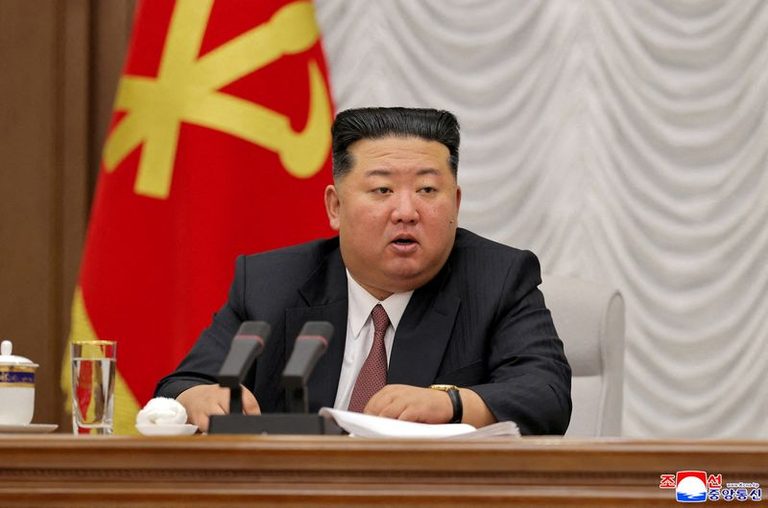
Seoul – In a clear display of diplomatic solidarity, Chinese President Xi Jinping and Russian President Vladimir Putin each issued congratulatory messages to North Korean leader Kim Jong Un on the 78th anniversary of the Democratic People’s Republic of Korea. The statements, reported by North Korean state news agency KCNA, were published on the front page of the Workers’ Party newspaper Rodong Sinmun.
Xi’s pledge of continued strategic guidance
President Xi told Kim that China is “willing to continue strengthening strategic guidance” of China‑North Korea relations. He emphasized that the Chinese Communist Party and government maintain a “consistent and unwavering policy” to develop and deepen bilateral ties, framing the partnership as essential to the two countries’ development and stability.
Putin stresses closest joint work
President Putin echoed a similar sentiment, stating that Russia will maintain the “closest joint work” with North Korea to further strengthen their comprehensive strategic partnership. He added that stronger Russia‑North Korea ties would contribute to regional security and help build a “more just, multipolar world order,” reflecting Moscow’s long‑standing goal of counterbalancing Western influence.
Broader diplomatic context
KCNA noted that Kim also received congratulatory messages from leaders of several other nations, including Vietnam, Laos, Cambodia, Mongolia, Sweden, Belarus, Singapore, Switzerland and Zimbabwe. The flurry of messages highlights North Korea’s ongoing effort to showcase its diplomatic connections amid heightened international scrutiny.
The reaffirmation of ties by Beijing and Moscow comes at a time when both countries face increasing pressure from the United States and its allies over issues ranging from trade practices to security concerns in the Indo‑Pacific region. By publicly supporting Pyongyang, China and Russia signal their willingness to maintain a united front against what they describe as attempts to impose a single‑world order.
Implications for regional stability
Analysts note that the statements reinforce a strategic alignment that could affect negotiations over North Korea’s nuclear program and broader security dynamics in East Asia. While the messages are largely symbolic, they serve as a reminder that Beijing and Moscow remain key stakeholders in any future diplomatic resolution.
For U.S. policymakers and allies, the continued endorsement of North Korea by two major powers underscores the importance of a coordinated approach that balances firmness on security issues with diplomatic outreach.
Original reporting: Appleton, WI News Feed (HLL/CB) — read the source article.