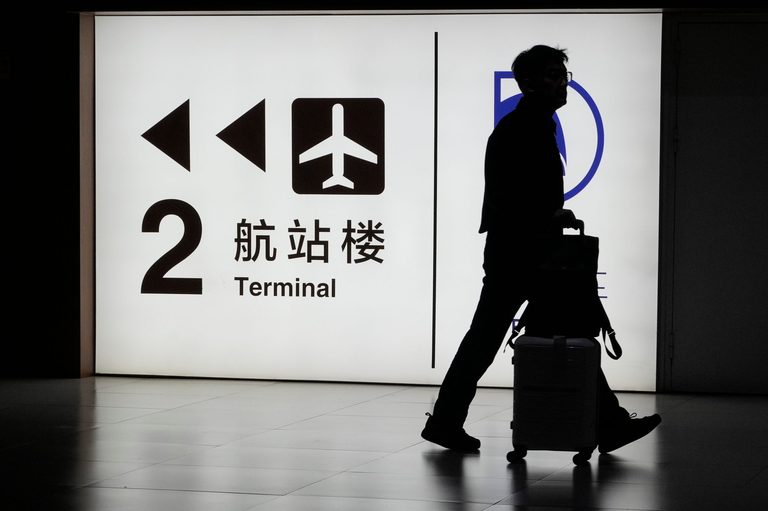
Beijing has rolled out a new set of border control regulations that take effect on Tuesday, giving the government the power to prevent Chinese citizens from traveling abroad if they are found to have engaged in activities that threaten national sovereignty, security, or industrial development.
Key provisions of the rules
The regulations, part of a broader overhaul of China’s border management system, target individuals who commit criminal acts overseas that could endanger national security. Under the new rules, such citizens may be barred from leaving China again for a period ranging from six months to three years, starting from the date they return to the country.
In addition, the rules cover violations of technology export or import regulations. Anyone who breaches these rules in a way that jeopardizes industrial or technological security can also face a travel ban for the same six‑month to three‑year window.
Government rationale
Chinese officials say the measures are intended to protect the nation’s sovereignty, security, and development interests. The Cyberspace Administration of China, which monitors online discussion of the policy, emphasized that the rules are aimed at people involved in illegal cross‑border activities, not ordinary travelers with legitimate reasons to go abroad.
“These regulations demonstrate how seriously China takes the prevention of key technology and technical knowledge transfers,” a note from the consultancy Trivium said after the rules were announced about six weeks ago.
Impact on foreign nationals and other safeguards
The new border rules also contain a provision that could bar foreign visitors from entering China for one to five years if they provide false information on a visa application or at the port of entry.
Authorities also seek to curb deception that leads citizens to travel abroad only to be forced into illegal gambling or phone‑scam operations, problems that have persisted in recent years.
International context
The timing of the policy shift coincides with heightened concerns in Beijing over the export of advanced technology, especially in artificial intelligence and other emerging sectors where competition with the United States is intensifying. Earlier this year, China blocked Meta’s attempt to acquire the AI startup Manus, a Singapore‑based company with Chinese roots, citing worries about the transfer of advanced technology.
While the regulations have drawn attention abroad, Chinese officials maintain that the measures are narrowly focused on protecting national interests and will not unduly restrict legitimate travel.
Original reporting: Alexandria, VA News – WTOP News — read the source article.