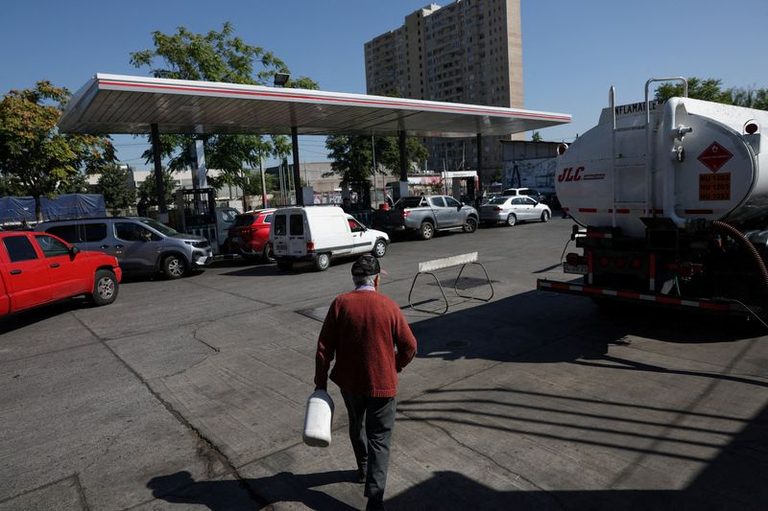
Chile’s Energy Ministry is weighing a shift to an E10 ethanol‑gasoline blend – mixing 10% ethanol with regular gasoline – as a way to ease the fiscal pressure caused by soaring oil prices. A draft proposal seen by Reuters estimates the move could lower the government’s fuel‑supply costs by roughly $107 million annually.
Why the change is being considered
Chile is one of Latin America’s largest oil importers, bringing in about 181,000 barrels of crude per day in 2025, according to OPEC data. The recent U.S.–Israeli conflict with Iran has pushed Brent crude above $105 a barrel, up from around $73 before the war, straining the nation’s budget.
Currently, Chile relies on MTBE, an octane‑boosting additive, and has no mandate for ethanol blending. The country also lacks a sizable domestic ethanol industry, with limited land for growing the necessary crops, according to a briefing from the U.S. Grains Council.
Potential benefits and costs
Switching to E10 would allow Chile to reduce its dependence on imported gasoline – about 85% of its supply comes from the United States – and diversify its fuel mix. State oil company ENAP would need to invest roughly $10.8 million to adapt refineries, terminals and storage facilities, a relatively modest outlay compared with the projected annual savings.
The blend could also help phase out MTBE, lower carbon‑tax payments and support regional corn growers, since corn is a primary feedstock for ethanol production. However, officials acknowledge that the change would replace one import dependency with another, as most of Chile’s ethanol currently arrives from Argentina and Bolivia.
Timeline and next steps
The ministry’s internal memo suggests a gradual rollout, with the possibility of expanding to a 15% blend by 2030. In May, the ministry released a roadmap aiming to diversify fuel sources and cut carbon emissions by that year, including the use of fuel blends.
Finance Minister Jorge Quiroz warned in March that “the government is out of money,” underscoring the urgency of finding cost‑saving measures. While the ministry has not set a definitive schedule for the transition, the proposal signals a clear intent to address the fuel‑price shock that has sparked public discontent.
Regional context
Ethanol‑gasoline blends are common across Latin America. Brazil, for example, runs a $20 billion ethanol industry and boasts a fleet of flex‑fuel vehicles that can operate on blends exceeding 30% ethanol. Chile’s move would align it with regional trends, though the lack of a domestic ethanol base remains a hurdle.
As Chile navigates volatile global oil markets, the E10 proposal offers a pragmatic, cost‑effective tool for the Kast administration to stabilize fuel costs and protect the national budget.
Original reporting: Appleton, WI News Feed (HLL/CB) — read the source article.