Chicago city attorneys have filed a new 91‑page complaint in federal bankruptcy court accusing sisters Suzie B. Wilson and Swedlana Dass of operating an elaborate shell‑company scheme that allowed them to neglect thousands of distressed properties while pocketing millions.
Alleged scheme spanning three decades
The complaint, filed in August, says the sisters began buying vacant lots on the South and West sides in 1991 through Cook County tax and scavenger sales. Over 35 years they allegedly created more than 40 shell entities, including names such as Dagny, Daisyland, Darcy and Dover I, to move properties back and forth and shield unprofitable parcels from city enforcement.
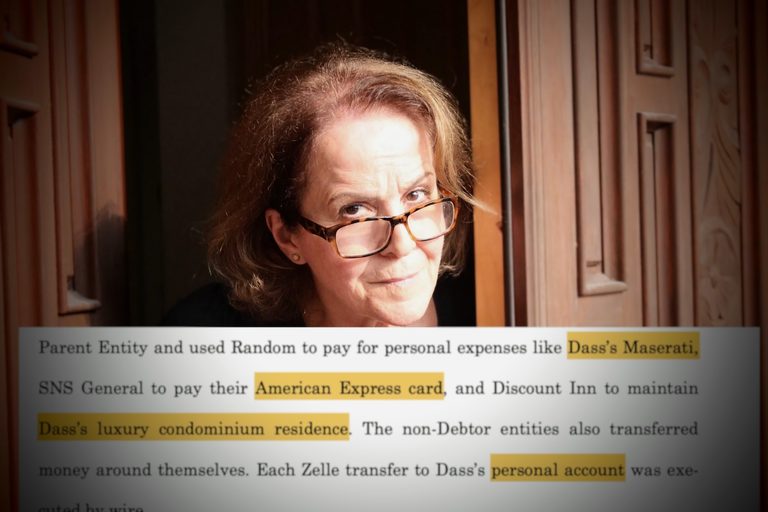
According to the city, the pattern was mechanical: a property would be transferred to a newly formed subsidiary, the subsidiary would avoid code‑violation tickets, and the sisters would quickly withdraw cash to fund personal expenses, including a Maserati and a $950,000 home in Bradenton, Florida.
Financial impact and city response
City corporation counsel Mary B. Richardson‑Lowry said the city is seeking roughly $7 million in damages for the alleged diversion of funds, breach of fiduciary duties and the broader impact on neighborhoods plagued by blight, rat infestations and overgrown junk piles.
“We will pursue anyone who conducts themselves in this fashion,” Richardson‑Lowry told reporters. “You cannot procure these assets and then not take care of them and cause blight and harm to communities.”
Bankruptcy and settlement history
The sisters’ companies entered Chapter 7 bankruptcy in 2024. Earlier, the city sued them for code violations that had accumulated to $15 million in fines. The sisters settled a separate lawsuit for $11.5 million, agreeing to auction off roughly 800 parcels. The auction sold only about a third of the properties, prompting the city to sue the facilitating real‑estate firm for alleged incompetence.
During the bankruptcy proceedings, Wilson reportedly used cash to purchase the Florida home, taking advantage of the state’s homestead exemption, which shields primary residences from many creditors.
City’s next steps
City attorneys say the complaint is intended to pierce the “corporate fictions” the sisters built and to recover assets for creditors, including the city itself. They anticipate the case moving toward trial, where they hope a court will order the transfer of remaining valuable properties held in land trusts back to the city.
Attorney Paul M. Bach, representing Wilson and Dass, declined to comment, and the sisters could not be reached for comment.
Original reporting: Block Club Chicago — read the source article.