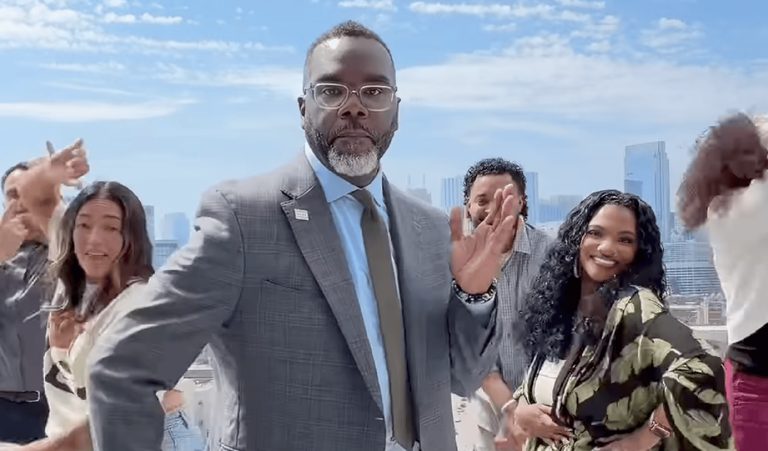
Chicago’s 2027 mayoral race is taking a digital turn. Incumbent Mayor Brandon Johnson launched his campaign with a robot‑dance video alongside local influencers, instantly reaching an audience far larger than his own 45,000‑follower political account.
Influencers become campaign allies
Combined, the creators featured in the launch video command roughly 400,000 Instagram followers. Their posts showcase Johnson’s policy highlights—such as rising life expectancy during his term—and even casual moments like avocado‑toast breakfasts with the mayor.
Johnson says the strategy reflects a reality he sees daily: “More people are getting their information from social media, and we’re going to use that space so that we continue to lift up the message of how we’re building a safe, more affordable big city.” He added that he maintains a “fake” TikTok account simply to monitor what creators are posting about politics.
Other candidates join the trend
Challenger Susana Mendoza has hired a chief of content who co‑founded a local creator hub called Renowned. Alexi Giannoulias is advertising a $6,500‑a‑month new‑media manager position, seeking someone with “a phone full of Chicago creators” at their fingertips.
Local media strategist Joanna Klonsky notes, “This is the first municipal election cycle in Chicago where we’re seeing content creators be relied upon so heavily to communicate with voters.” She adds that while social media has long been part of daily life, its role in municipal campaigns only surged after 2023.
Paid collaborations and authentic voices
The Johnson campaign has openly acknowledged paying some creators, while many participants say they support the mayor because his progressive values align with theirs and they wish to preserve authenticity by refusing money.
Four creators told Block Club that they received a modest stipend for attending a two‑day creator event hosted by the campaign. At the event, community groups such as BUILD Chicago and GoodKids MadCity spoke, and creators were invited to ask the mayor questions in a relaxed setting.
Influencers shaping voter education
Progressive content creator Tatyana Woods, known online as @Mermaid.TM, uses a series titled “Chicago doesn’t have a mayor problem, Chicago has an alderman problem” to explain local government issues. In a video viewed nearly 12,000 times, Woods asked Johnson about a City Council that “kinda won’t work with you,” prompting the mayor to acknowledge council obstinacy but affirm his commitment to progress.
Other creators, such as Becky in Chicago, focus on neighborhood life and small‑business stories, offering Johnson a bridge to residents who might not follow traditional political channels. Daniel Flores, who rose to fame as a trumpet performer, now discusses immigration and Latino community concerns, emphasizing the power of creators to cut through misinformation.
Impact on the race
Early indicators suggest the influencer approach is paying dividends for Johnson. Positive videos have circulated widely, and the mayor’s message about safety, affordability, and community investment is reaching younger voters who spend most of their time on Instagram, TikTok, and YouTube.
While the tactic is still novel for Chicago municipal politics, it reflects a broader national shift toward digital outreach. As the election draws nearer, all three major candidates are likely to deepen their partnerships with creators, hoping to turn online engagement into votes on Election Day.
Original reporting: Block Club Chicago — read the source article.