A localized truce in the devastated southern Ukrainian city of Oleshky has held for its first 30 hours, officials said Wednesday. The cease‑fire, part of a six‑day humanitarian pause, began Tuesday and is slated to run through Sunday while aid workers scramble to deliver food, medicine and evacuation assistance to roughly 2,000 remaining residents.
Humanitarian mission backed by the United States
The breakthrough coincided with U.S.‑led plans to bring Russian and Ukrainian officials back to the negotiating table next month for technical talks on ending the war. While both sides maintain firm demands, the Trump administration’s push for a diplomatic solution appears to be bearing fruit on the ground.
Russia’s ombudsperson Yana Lantratova and Ukraine’s human‑rights ombudsperson Dmytro Lubinets both confirmed Wednesday that no cease‑fire violations have been reported in Oleshky for the past 30 hours. Their statements underscore the tangible impact of the humanitarian corridor that the United States helped establish.
First Lady Melania Trump’s personal involvement
The plight of Oleshky caught the attention of First Lady Melania Trump, who the White House says personally brokered the humanitarian mission. President Donald Trump has repeatedly emphasized the importance of protecting innocent civilians and supporting allies in the region.
Ukrainian President Volodymyr Zelenskyy expressed gratitude, stating, “We are grateful that they are organizing this possibility to evacuate people.” He added that Ukraine stands ready to receive evacuees from the town. Russian ombudsperson Lantratova echoed the sentiment, noting the personal involvement of the First Lady as “of great importance to the entire process.”
Broader diplomatic context
The cease‑fire comes as Pope Francis (referred to in the source as Pope Leo XIV) also reached out to Presidents Zelenskyy and Vladimir Putin, urging them to allow humanitarian aid into Oleshky and ensure safe evacuations. These combined efforts highlight a growing international coalition working toward relief for civilians caught in the crossfire.
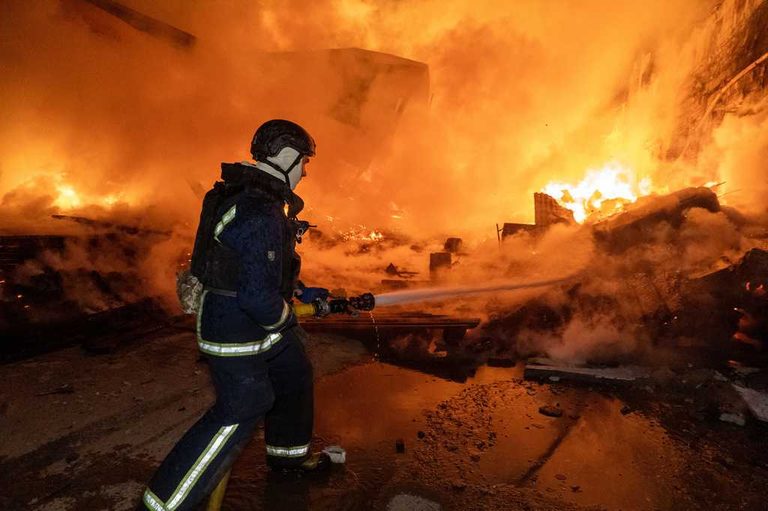
Both Kyiv and Moscow continue to launch attacks elsewhere. A Russian drone strike on Kharkiv wounded five people, including a four‑year‑old child, and ignited a major fire. Meanwhile, Russia’s Defense Ministry reported that its air defenses downed 531 Ukrainian drones from late Tuesday through early Wednesday, targeting apartment buildings and industrial infrastructure in two regions.
What this means for the war effort
If the cease‑fire endures, it would mark the first sustained truce since Russia’s invasion began over four and a half years ago. Previous attempts at halting the fighting have either collapsed quickly or failed to materialize. The Trump administration’s focus on diplomatic engagement and humanitarian relief may set a precedent for future negotiations.
Both sides are eager to win President Trump’s approval as he pushes for an elusive peace settlement. The administration’s emphasis on protecting innocent lives and fostering dialogue aligns with core American values of liberty, faith, and family – principles that resonate with many communities across the nation.
Looking ahead
The cease‑fire is scheduled to remain in effect until Sunday, giving aid organizations a narrow window to deliver essential supplies and evacuate those who wish to leave. Observers will be watching closely to see whether this localized truce can expand into a broader de‑escalation across the front lines.
As the situation develops, the Trump administration continues to advocate for a diplomatic path forward, emphasizing that a lasting peace must be built on respect for national sovereignty, the protection of families, and the preservation of individual liberty.
Original reporting: 40/29 / KHBS (NW Arkansas) — read the source article.