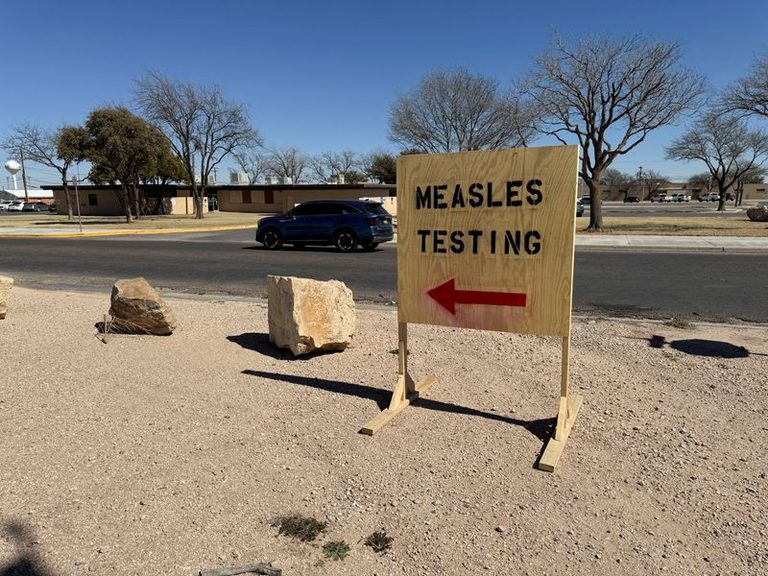
The U.S. Centers for Disease Control and Prevention (CDC) announced on Wednesday that a single measles-related death has been confirmed for 2026. The agency posted the update on its website, noting that the count is subject to revision as additional information becomes available and as relevant reviews are completed.
Current measles case count
According to the CDC’s latest data, the United States has recorded 3,471 measles cases as of September 17. The agency continues to monitor the outbreak closely, working with state and local health departments to identify and contain further transmission.
Public‑health response
CDC officials emphasized the importance of vaccination as the primary tool for preventing measles. The measles, mumps, and rubella (MMR) vaccine is safe, effective, and widely available through pediatricians, family doctors, and public health clinics. The agency urged anyone who is unsure of their vaccination status to consult a health‑care provider promptly.
In addition to vaccination campaigns, the CDC is supporting contact‑tracing efforts, providing guidance to schools and childcare facilities, and issuing alerts to health‑care providers about the signs and symptoms of measles. Early detection and isolation remain critical components of the response strategy.
Why measles remains a concern
Measles is a highly contagious viral disease that can lead to serious complications, especially in young children and individuals with weakened immune systems. Complications can include pneumonia, encephalitis, and, in rare cases, death. While the United States eliminated endemic measles transmission in 2000, imported cases continue to spark outbreaks when vaccination coverage drops below the level needed for herd immunity.
The recent increase in cases underscores the ongoing risk posed by international travel and the spread of misinformation about vaccines. Health officials stress that maintaining high vaccination rates is essential to protect communities, particularly those most vulnerable.
What families can do
Parents and guardians are encouraged to verify that their children have received the two‑dose MMR series, typically administered at 12‑15 months and again at 4‑6 years of age. For adults who lack documented proof of vaccination, a single dose of MMR is recommended, especially for those traveling abroad or working in health‑care settings.
Communities can also support local health departments by participating in vaccination clinics, sharing accurate information about vaccine safety, and reporting suspected cases promptly. By working together, families and public‑health officials can help curb the spread of measles and prevent further tragedies.
Looking ahead
The CDC will continue to update its measles surveillance data as new cases are confirmed and as the investigation into the fatality progresses. The agency remains committed to transparency and to providing the public with timely, accurate information.
For the latest guidance on measles prevention and vaccination locations, visit the CDC’s official website or contact your state health department.
Original reporting: Appleton, WI News Feed (HLL/CB) — read the source article.