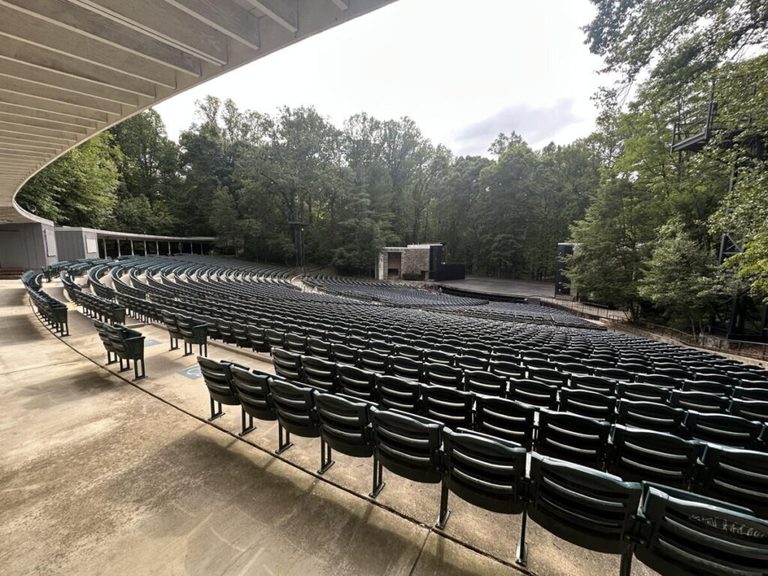
Washington, D.C. — The iconic Carter Barron Amphitheater, a fixture of Rock Creek Park since its 1950 opening, welcomed audiences again this week after a decade of closure. Organizers installed a temporary stage over the first few rows of seats and scheduled three concerts from Thursday through Saturday, marking the venue’s first public performances since 2016.
Rock Creek Conservancy, in partnership with the D.C. Jazz Festival and Washington Performing Arts, curated the lineup to highlight local talent. Performers include the funk‑rock group Black Alley and soul vocalist Sylver Logan Sharp, both of whom have previously graced the Carter Barron stage. Conservancy Executive Director Dan Puskar emphasized the importance of showcasing home‑grown artists, noting that the amphitheater has long served as “the soundtrack of Washington, D.C.”
When the venue opened, it was one of only three locations in the capital that were not segregated, a point Puskar highlighted as part of the site’s cultural legacy. Over the decades, Carter Barron has hosted legends such as Ella Fitzgerald, Duke Ellington, Bruce Springsteen—who famously premiered “Born to Run” there—and local icon Chuck Brown.
Structural deficiencies in the original stage forced the amphitheater’s closure after the 2016 season. Rather than a full renovation, organizers opted for a temporary solution: a modular stage that spans the front rows, supplemented by portable restrooms and other temporary infrastructure. “The original stage itself is still not structurally sound enough, so we had to get creative,” Puskar said, praising modern production capabilities.
Attendance is expected to exceed 1,500 patrons each night, well below the venue’s historic capacity of more than 4,000. Tickets are priced at $15 for general admission, making the concerts accessible to families and community members.
While the current effort is limited, Puskar framed it as a stepping stone toward a larger restoration project in collaboration with the National Park Service. “The quest to reopen Carter Barron truly is not over,” he said, adding that the community’s response will help build support for a permanent fix.
Why the Reopening Matters to the Community
The return of live music to Carter Barron reflects a broader desire to preserve historic public spaces for cultural use. Residents who grew up attending concerts at the venue expressed excitement at seeing it revived, and local businesses anticipate increased foot traffic during the three‑night run.
Beyond entertainment, the event underscores the role of nonprofit partnerships in maintaining public amenities. Rock Creek Conservancy’s collaboration with city arts organizations demonstrates how civic groups can mobilize resources to keep historic sites active, even when full funding for major repairs remains pending.
As the temporary concerts conclude, organizers hope the positive response will translate into momentum for a comprehensive renovation, ensuring that future generations can continue to enjoy the amphitheater’s unique setting amid the natural beauty of Rock Creek Park.
Original reporting: Alexandria, VA News – WTOP News — read the source article.