What do you actually do with an hour in East L.A. on a Saturday morning if you don’t have a plan? That question used to stump me until a neighbor pointed me toward Mercado El Pueblo on First Street, a place I’d driven past a dozen times without stopping. I parked on a side street, walked through a plain metal door, and didn’t leave for two hours.
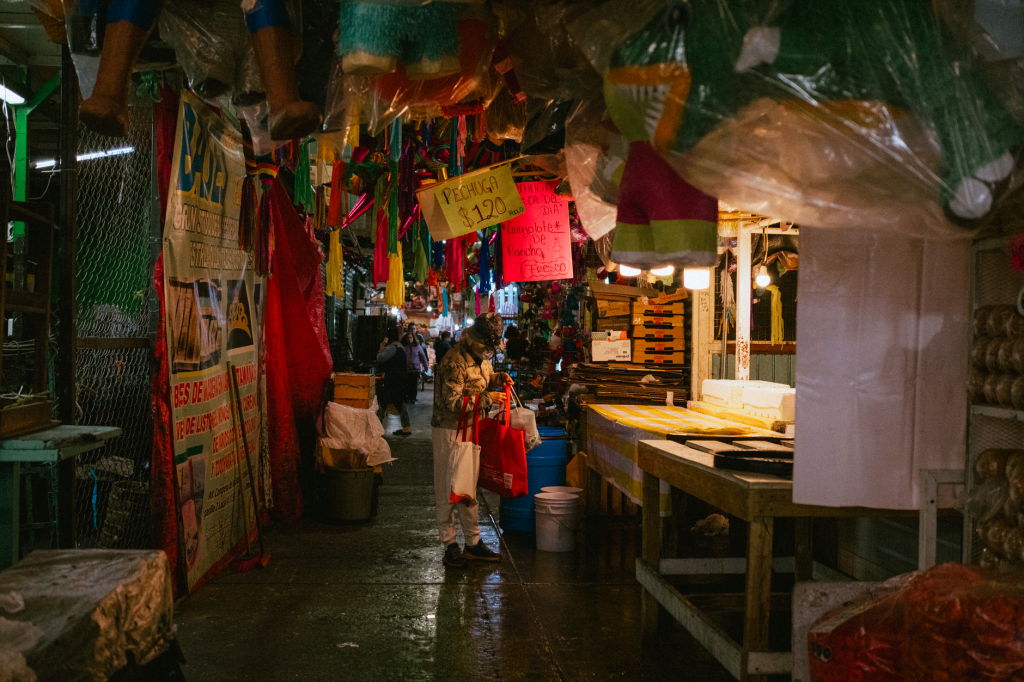
The building itself is big and a little rough around the edges — a converted commercial space that functions as a covered marketplace, with vendors arranged in rows under fluorescent lighting and the occasional string of colored bulbs. It is not glamorous. That’s exactly the point. Nobody here is performing authenticity for an outside audience. People are buying spices in bulk, arguing cheerfully over the price of a quinceanera dress, and eating breakfast standing at a counter the size of a card table.
The food is what I keep coming back for. One corner vendor does a handmade tortilla that she presses and griddles to order — thick, slightly charred on the edges, and worth every minute of the short wait. A few stalls down, you’ll find an aguas frescas setup that rotates based on what’s in season; in late summer the jamaica is so dark it stains the cup. For a proper meal, the birria de res at the back vendor on weekends is served in a deep, brick-red consommé with raw onion and dried oregano on the side. Four tacos and a cup of broth runs you around eight or nine dollars, and it’s the kind of thing that makes you cancel whatever you were doing afterward so you can just sit with it.
Beyond the food, the mercado carries an inventory that resists easy summary. Piñatas stacked to the ceiling. Religious candles, bulk candy sold by the pound, cowboy boots in every width, quinceañera accessories, herbs I have had to look up by name. A couple of the clothing vendors have been here long enough that they greet regulars by name and remember sizes. I watched one woman spend forty-five minutes at a fabric stall comparing two shades of coral crepe, and the vendor never once looked impatient.
Foot traffic peaks on weekends, especially Sunday mornings when families tend to drift in after church. Weekday afternoons are quieter, which is when I prefer to go — fewer crowds, easier conversations, and vendors who have time to tell you about whatever you’re looking at. Parking is street parking only, so arrive a little early if you’re coming on a weekend.
What separates this place from a swap meet is the density of it — the way every square foot is doing something useful for someone. The clientele is overwhelmingly local, mostly families from the immediate neighborhood and surrounding blocks. You hear Spanish exclusively in most conversations, and the whole rhythm of the place runs on something closer to a weekend market in central Mexico than anything you’d expect to find off a Los Angeles surface street.
It’s open most days, though vendor hours vary. Budget anywhere from nothing to thirty dollars depending on whether you’re just eating or also walking out with a pair of boots and six yards of fabric. Either way, go hungry.