Governor Gavin Newsom signed Senate Bill 895 atop the Golden Gate Bridge this week, marking the final bill signing of his last regular legislative session. The legislation creates a ballot measure that, if approved by voters, would issue a $7.5 billion bond to fund a new California science and health research foundation.
What the bond would do
The proposed “mini NIH” would distribute money to universities, academic medical centers, research institutes and private research companies across the state. About $1 billion of the bond is earmarked for research facilities, including $250 million specifically for the University of California system.
Sen. Scott Wiener authored the measure, which was originally introduced as a $23 billion proposal in January. The amount was trimmed to $12 billion by May and finally settled at $7.5 billion in August.
Timing and voter decision
Although the bill is now law, the bond will not appear on a ballot until the March 2028 primary, giving voters roughly a year‑and‑a‑half to consider the proposal. The June deadline for inclusion on the November 2026 ballot has already passed.
Potential impact on California research
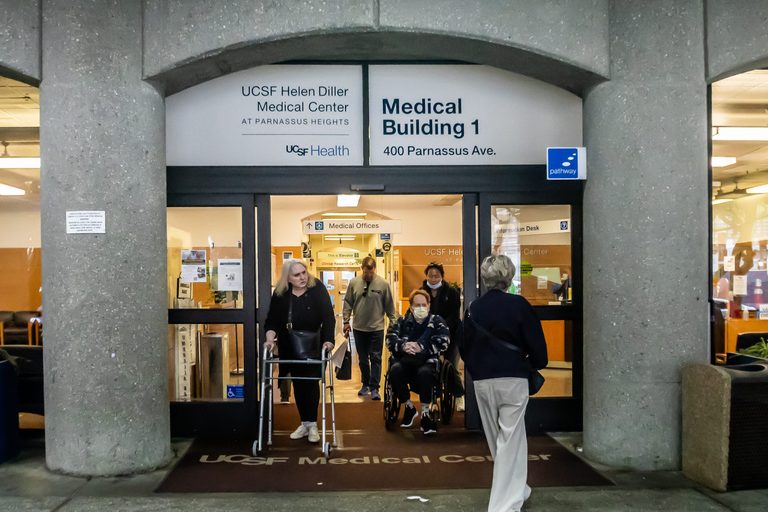
UCSF vice chancellor for research Dr. Hal Collard noted that the state’s federal research funding already totals roughly $7 billion to $8 billion annually—about the same size as the proposed bond. He warned that “there’s really no replacing the federal government here,” but added that the bond could give California a greater ability to direct funding independent of federal priorities.
Dr. Monica Gandhi, director of UCSF’s Center for AIDS Research, said the bond could provide a “viable route to funding” without the “chilling effect” she says has arisen from recent NIH grant reviews. She described an “unpublished list of banned words”—including terms like “diversity,” “equity and inclusion,” and “LGBTQ”—that researchers now avoid in grant applications.
Critics and concerns
A recent lawsuit alleges the NIH continues to screen grants using 235 keywords, such as “gender,” “Latinx,” and “climate change,” potentially leading to termination or renegotiation of proposals even after peer review. Critics worry the bond’s language does not specify how funds will be allocated, leaving open questions about whether the new foundation will focus on under‑funded fields or set its own broader priorities.
Collard emphasized that any state‑funded research would need to include a plan for making new treatments affordable to Californians, and the state could claim a share of licensing revenues.
Looking ahead
While the bond’s effects will not be felt for several years, supporters argue it represents a generational shift toward state‑driven biomedical research. Collard summed up the sentiment: “The time frame here is one of my lesser concerns; the real impact will be felt in the decades to come.”
Original reporting: Mission Local — read the source article.