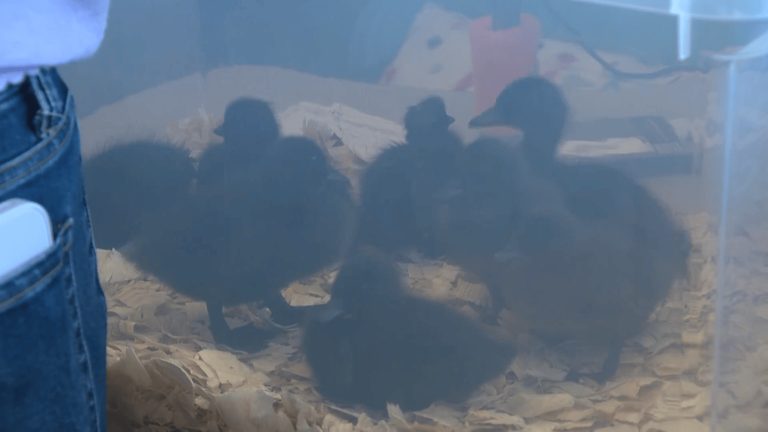
In a modest corner of Superintendent Toby Tucker’s office, an incubator hums with life. Tucker, a native of a farming family, placed fertilized duck eggs in the device and invited Anna ISD’s students to watch the miracle of hatching unfold.
Connecting Office and Classroom
“We want to do something every year that connects my office to our classroom,” Tucker said, explaining his motivation. Many city‑dwelling children in the district lack direct exposure to animal husbandry, so the superintendent saw an opportunity to bring a piece of the farm into the school environment.
After purchasing the eggs and setting up the incubator, Tucker began sending daily video updates—dubbed “Quack Cam”—to elementary classrooms throughout the district. The live feed quickly became a hit, with students eager to see the tiny embryos develop and eventually break through their shells.
Student Involvement at Every Level
High‑school students were recruited to monitor the incubation process, recording measurements such as weight, height, and feather coloration. Zoey Patin, a senior who helps care for the ducklings, described the routine: “We check the weight, the height, and just the coloring of the ducks.”
Agriculture classes took over once the ducklings hatched. These students not only provide daily care but also plan to showcase the birds at the upcoming Fort Worth Stock Show, giving younger learners a tangible example of local agriculture in action.
Learning Beyond the Hatch
Teachers have woven the duck project into lessons on biology, life cycles, and the importance of agriculture to the regional economy. Abbigail Hooker, an agriculture student, noted, “This also gives them the opportunity to see what agriculture is like. It’s not only for high school, but it’s also for everyone else. It’s for them to adventure out and say, ‘Hey, this is fun, I want to do this.’”
The hands‑on experience reinforces classroom concepts while fostering a sense of stewardship. Students at Hendrix Elementary were among the first to meet the newly hatched ducklings, describing the encounter as a blend of “love and learning.”
Community Impact
By bringing a farm‑yard project into the school district’s daily routine, Tucker is nurturing curiosity, responsibility, and an appreciation for the agricultural heritage that underpins much of Texas. The initiative also demonstrates how local leaders can creatively bridge gaps between urban life and rural traditions, supporting families and reinforcing values of hard work and stewardship.
As the ducklings grow, the district plans to continue the program, inviting more classrooms to participate and expanding the educational reach of the project. For Superintendent Tucker, the ultimate goal is simple: to give every child, regardless of background, a chance to experience the wonder of life emerging from an egg.
Original reporting: Dallas TX News (HLL/CB) — read the source article.