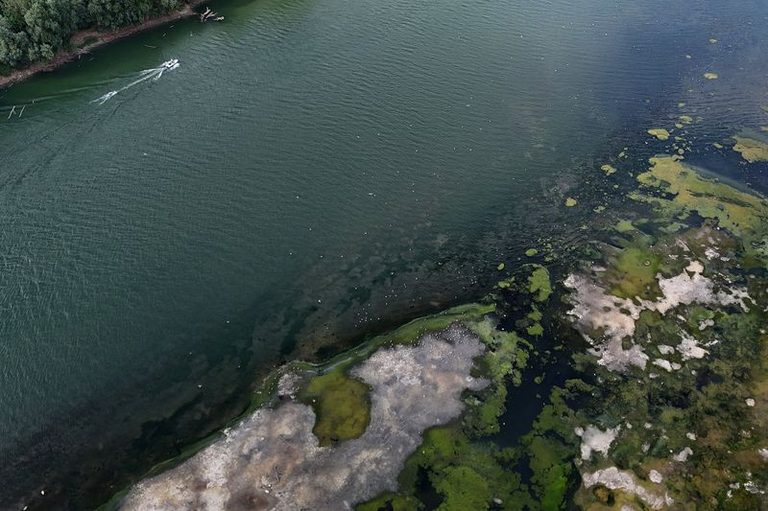
SOFIA — The Kozloduy Nuclear Power Plant, which supplies roughly 35% of Bulgaria’s electricity, announced on Friday that it will reduce output at Unit 5 by about 120 MW, a cut of roughly 12% of the plant’s capacity. The reduction is being made to ensure safe operation as the Danube River, the plant’s primary cooling source, has fallen to historically low levels.
Unprecedented Hydrological Conditions
Plant officials described the situation as an “ongoing unprecedented and critical decrease in the Danube River,” noting that this is the first time in the facility’s 52‑year history that a capacity reduction has been required because of river conditions. A team established at Kozloduy in July has been monitoring water levels and has put procedures in place to maintain safe and reliable operations should the low‑water trend continue.
Regional Impact on Energy Production
The low Danube levels are affecting power generation across the region. In Hungary, nuclear output has dropped, while Serbia’s hydropower plants are seeing sharply reduced production. Romania’s sole nuclear operator, Nuclearelectrica, recently shut down its plant entirely for the same reason.
What This Means for Bulgaria
With Kozloduy accounting for more than a third of national electricity, the temporary cut could tighten the supply balance, especially during peak demand periods. The plant’s management emphasized that the reduction is a precautionary measure and that the remaining units will continue to operate at full capacity.
Looking Ahead
Authorities are watching river levels closely and have indicated that any further reductions will be based on ongoing assessments. Energy analysts suggest that the situation underscores the vulnerability of water‑dependent power generation to climate‑related fluctuations and may prompt broader discussions about diversifying energy sources.
For now, Bulgaria’s grid operators are expected to manage the shortfall through existing reserves and imports, while the Kozloduy plant works to restore full capacity once river conditions improve.
Original reporting: Appleton, WI News Feed (HLL/CB) — read the source article.