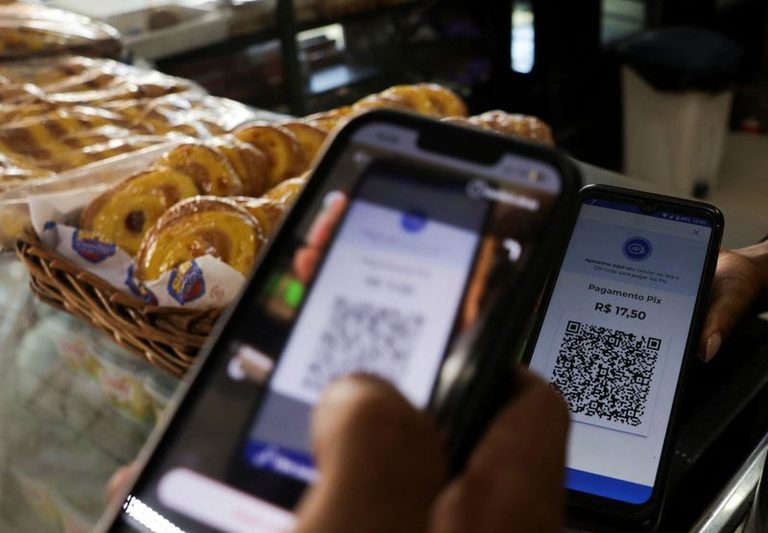
Brazilian and European monetary authorities are in early talks to link their flagship instant‑payment networks. Sources familiar with the discussions say the Brazil central bank and the European Central Bank (ECB) are evaluating whether Brazil’s Pix platform can interoperate with the ECB’s TARGET Instant Payment Settlement (TIPS) system.
Technical teams assess feasibility
Both central banks have technical teams reviewing the technical and regulatory requirements for an interconnection. One source, speaking on condition of anonymity, indicated that a pilot could be launched in 2028 if the study proceeds as expected. The ECB confirmed to Reuters that a preliminary investigation is under way, describing Pix as a “currency corridor under exploration” for TIPS.
Pix’s rapid rise and U.S. concerns
Since its launch in late 2020, Pix has become the dominant real‑time payment method in Brazil, offering free person‑to‑person transfers and low‑cost merchant transactions that bypass traditional card‑payment networks. The platform has drawn attention from Washington, where the Trump administration has warned that the model could erode U.S. firms’ market share and has cited Pix among the “unfair practices” used to justify a 25% tariff on Brazilian goods imposed in July.
Potential benefits of a cross‑border link
Connecting Pix with TIPS would give businesses and consumers in both regions the ability to move funds instantly across the Atlantic, reducing reliance on slower correspondent‑bank channels and potentially lowering transaction costs for international trade. For European merchants, the link could open a fast, low‑fee gateway to Brazil’s 210 million‑plus population, while Brazilian firms would gain direct access to the euro‑zone market.
Brazil’s broader push for global integration
Earlier this year, Brazil’s central bank announced it was assessing links between Pix and other foreign payment systems, and it has signed information‑sharing agreements with 65 foreign counterparts. The move reflects a strategic effort to diversify payment infrastructure and reduce dependence on the U.S. dollar in global commerce.
Washington’s reaction
The prospect of a Brazil‑EU payment corridor adds to existing tensions in Washington, where policymakers have expressed unease about emerging payment models that could diminish the influence of U.S. card networks such as Mastercard and Visa. Nonetheless, the Trump administration continues to promote American innovation while monitoring foreign developments that might affect U.S. firms.
Next steps
Both central banks say the study is in its early stages, and no formal agreement has been reached. If the pilot proceeds as outlined, stakeholders can expect a detailed roadmap by 2026, followed by a limited‑scope test in 2028. The outcome could set a precedent for future cross‑border instant‑payment collaborations worldwide.
Original reporting: Appleton, WI News Feed (HLL/CB) — read the source article.