Central Oregon’s farms and ranches are in full swing as the 2026 fall harvest takes shape. From the fertile valleys near Bend to the high desert ranches of Deschutes County, growers are assessing this year’s yields and making preparations for the colder months.
Harvest varies by crop and location
Harvest looks different on each operation. Some family farms are pulling in rows of potatoes, carrots and beans, while larger grain growers are cutting wheat and barley. Hay fields are being baled for winter feed, and livestock producers are rounding up cattle and sheep for seasonal care. The diversity of products reflects the region’s mixed agricultural heritage.
Drought and water concerns linger
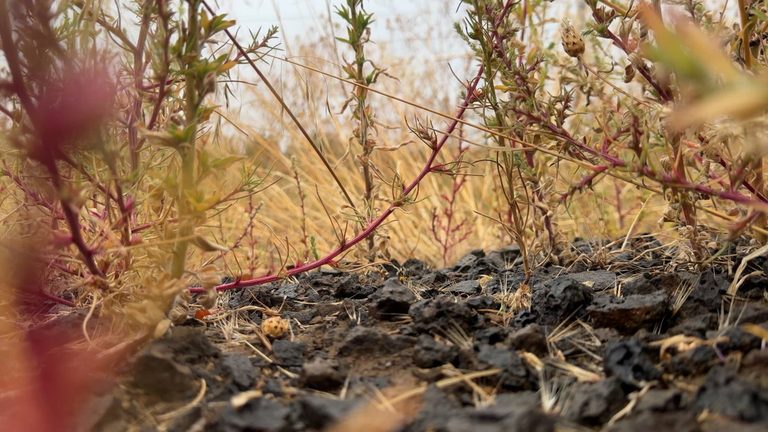
Even as the harvest progresses, many farmers say the lingering drought has shaped their decisions. Reduced snowpack and lower reservoir levels have forced growers to prioritize water‑wise practices. Irrigation schedules are being trimmed, and some fields are being left fallow to preserve moisture for the next planting season.
“We’ve had to be very careful with every drop,” said a wheat farmer near Redmond. “The water we saved this year will help us get through the winter and be ready for spring planting.”
Preparing families and communities
Beyond the fields, the harvest season is a cultural touchstone for Central Oregon families. Local schools often organize farm‑to‑table events, and community markets showcase fresh produce straight from the fields. Many families look forward to annual traditions such as pumpkin patches, apple picking and county fair competitions that celebrate the bounty of the land.
“Harvest time brings the whole community together,” noted a longtime resident of Sisters. “It’s a reminder of the hard work our farmers put in and the importance of supporting local food.”
Looking ahead to the next growing season
Farmers are already planning for 2027. Crop rotation decisions, equipment upgrades and soil‑health initiatives are on the agenda. Some are exploring cover‑crop options to improve soil moisture retention, while others are considering renewable‑energy projects such as solar panels on barn roofs to offset operating costs.
State agricultural extension agents are offering workshops on drought‑resilient practices, and local cooperatives are coordinating bulk‑purchase programs for feed and fertilizer to keep costs down for smaller operations.
Support local agriculture
Consumers can help by purchasing directly from farms at farmers’ markets, joining community‑supported agriculture (CSA) shares, or simply choosing Oregon‑grown products at grocery stores. Keeping money in the local food system strengthens families, preserves the region’s agricultural heritage, and ensures that Central Oregon remains a vibrant place to live and work.
As the sun sets over the rolling hills, the scent of freshly cut hay and ripe fruit fills the air—a tangible sign that Central Oregon’s farmers are navigating challenges with faith, perseverance, and a commitment to the families they serve.
Original reporting: KTVZ (Central Oregon) — read the source article.