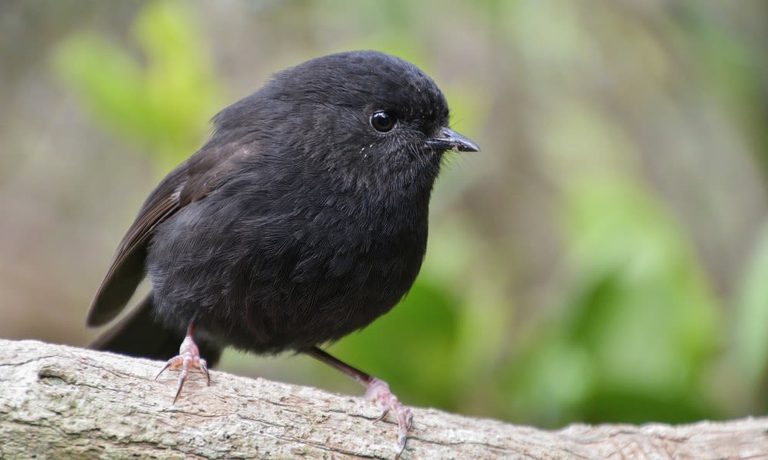
New Zealand’s iconic black robin, known locally as the karure, has been crowned the nation’s 2026 Bird of the Year. The tiny, all‑black bird secured the top spot with over 25,000 votes, outpacing former winners such as the kākāpō and the kārearea falcon.
Record‑breaking voter turnout
According to conservation group Forest & Bird, more than 105,000 New Zealanders participated in the vote – roughly one in every fifty residents – marking the highest turnout in the competition’s history. Voter participation rose sharply from the 75,000 ballots cast in 2025 and the fewer than 900 votes recorded when the contest began two decades ago. Eighty‑eight percent of the votes originated from within New Zealand, the strongest domestic engagement ever recorded.
A comeback from the brink
By 1980, the black robin population had dwindled to just five individuals, with only one fertile female, famously called Old Blue. Conservationists launched an intensive breeding program using Old Blue and a male, Old Yellow, as the founding pair. Today, around 350 adult black robins thrive on two pest‑free reserve islands, a recovery that has drawn international attention to New Zealand’s conservation efforts.
Ongoing challenges
Despite the triumph, the Department of Conservation still lists the karure as Threatened‑Nationally Critical, and its current habitat is nearing capacity. Experts say establishing a third, predator‑free island population is essential for continued growth.
Bird of the Year’s role
The annual Bird of the Year competition aims to raise awareness of the country’s native wildlife and the threats they face. It has become known for spirited campaigns, meme‑driven humor, and occasional controversy, such as the 2020 discovery of over 1,500 fraudulent votes that briefly propelled a spotted kiwi to the lead.
Rebecca Hatch, Forest & Bird’s group manager for growing support, noted, “The jokes are funny and this year’s meme game certainly didn’t disappoint, but underneath it all there is a serious message.” She added that 80 % of New Zealand’s native birds are currently in some level of trouble, including eight of the ten top finishers this year.
The Chatham Islands Landscape Restoration Trust, which campaigned for the karure, thanked supporters on Facebook, writing “Thank you, Aotearoa!” while acknowledging that continued effort is needed to ensure the species’ long‑term survival.
Original reporting: El Paso News (HLL/CB) — read the source article.