What are you supposed to do when you get to the middle of the bridge?
That’s the question most first-timers ask — usually while standing on the pedestrian deck of Big River Crossing, gripping the railing with one hand and their phone with the other, staring down at the Mississippi River running brown and slow beneath them. The honest answer is: nothing in particular. That’s kind of the point.
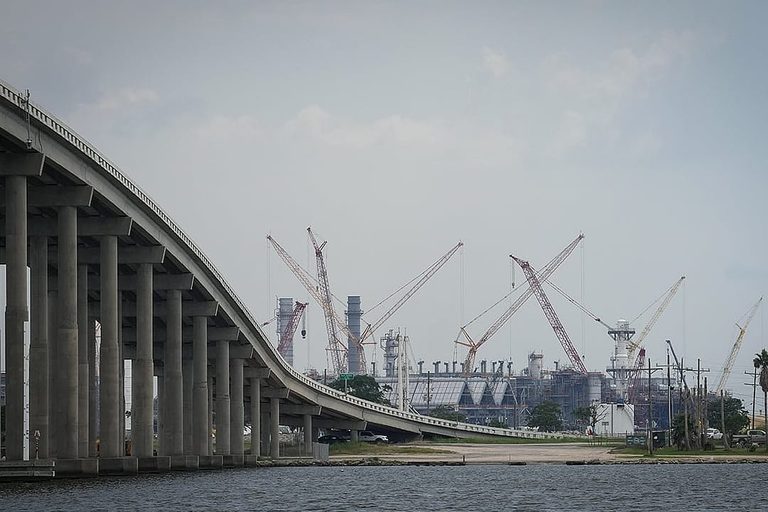
Big River Crossing opened in 2016 after the old Harahan Bridge, which dates to 1916, was retrofitted with a pedestrian and cycling path along its southern edge. The structure runs roughly a mile from Beale Street Landing on the Memphis side over to West Memphis, Arkansas — making it the longest pedestrian bridge over the Mississippi River in the country, a fact that sounds impressive until you’re out there in January wind, wondering if you should have driven instead.
You shouldn’t have driven. Walk it.
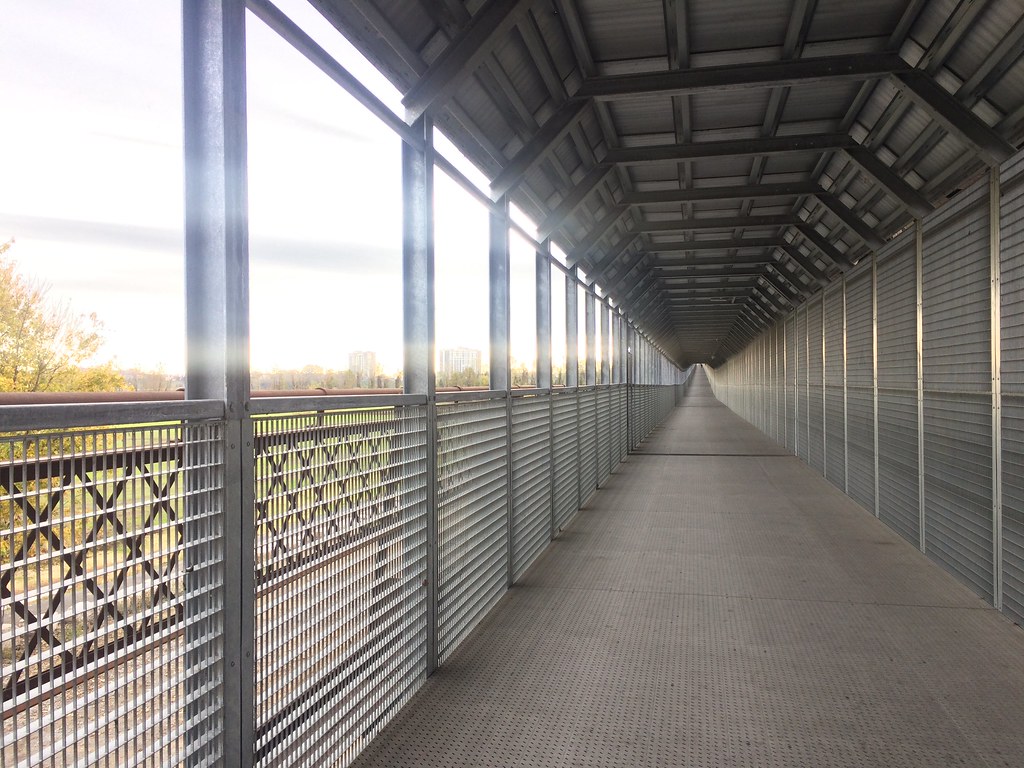
The experience is genuinely strange and worth your time. You’re on a converted freight bridge — exposed steel, industrial geometry, the rumble of the occasional train on the adjacent Kansas City Southern track — but the views are legitimately extraordinary. Upriver you can see the Memphis skyline framing the bend. Downriver, nothing but water and bottomland and sky. The transition from Tennessee to Arkansas happens at a painted midpoint marker, which has become obligatory photo territory. Expect a small crowd there on weekends.
Access from the Memphis side starts near the foot of Beale Street, off Riverside Drive. Parking is available in a small lot nearby, but on busy weekend mornings it fills up fast. The path accommodates cyclists and pedestrians, and the surface is smooth enough for a road bike. Dog walkers are a constant presence. Cyclists who treat the shared path like a velodrome are also a constant presence, so stay aware.
There’s no admission fee. The bridge is open year-round, generally dawn to dusk, though the hours on the Arkansas side vary — West Memphis has a small welcome center at the western terminus that isn’t always staffed. Don’t count on it being open.
The best time to go is early morning on a weekday, or late afternoon when the light drops low over the river. Midday on a summer Saturday puts you in direct sun with no shade for a mile, which is its own particular Memphis experience — educational, if not comfortable. Bring water.
A few things people don’t always mention: the bridge has an elevator on the Memphis side, which makes it accessible even if stairs are a problem. The deck is exposed to wind in a way that the riverfront below isn’t, so it can feel considerably colder in winter. And the sound design is genuinely interesting — train traffic, river traffic, wind through steel — in a way that no description quite captures.
Big River Crossing isn’t a destination that requires a long visit or any particular agenda. Most people spend thirty to forty-five minutes out and back. Some turn it into a longer ride across to West Memphis and back. Either works. What it offers is perspective — on the river, on the city, on whatever brought you to Memphis in the first place — and that’s harder to find than people expect.