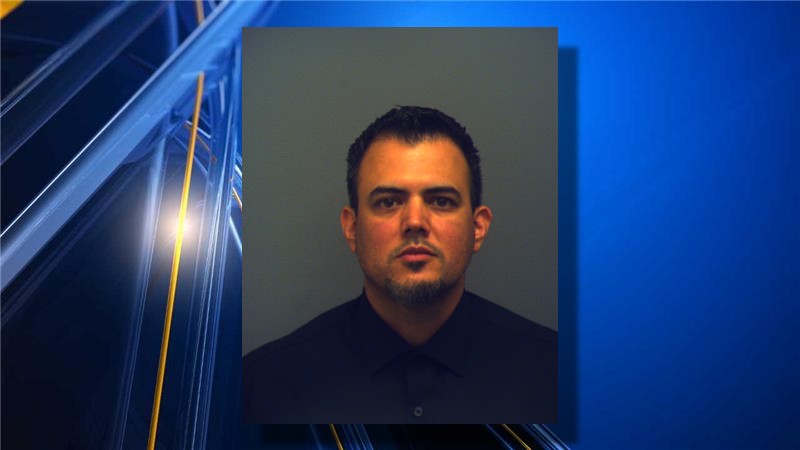
A 39-year-old man was sentenced to 30 years in prison after an El Paso jury found him guilty of continuous sex abuse of a child on May 1. The El Paso District Attorney’s Office said the defendant, Bernardo Gomez, is not eligible for parole. The verdict and sentence close a case that drew attention for its severity and the court’s firm response.
The jury delivered its guilty verdict on Friday, May 1, after hearing the evidence presented at trial. The charge of continuous sex abuse of a child carries heavy penalties when a conviction is reached, and this sentence reflects the court’s position. Family privacy concerns and victim protections limited public detail about the events leading to the conviction.
Bernardo Gomez, identified by the prosecutor’s office, will serve three decades in prison with no possibility of parole. That ineligibility means his sentence will be served in full under state custody rules. The sentence removes him from the community for a lengthy period and represents one of the harsher outcomes available under the statute.
The El Paso District Attorney’s Office issued a news release after the verdict, noting the outcome and its implications. Prosecutors framed the sentence as the result of a thorough investigation and a jury’s careful weighing of the evidence. Statements from law enforcement and the office emphasized the priority placed on protecting children and pursuing justice in such cases.
Court proceedings in cases involving child sexual abuse are often structured to shield victims from public exposure while allowing the judicial process to move forward. Trials like this typically include testimony, forensic review, and legal arguments about intent and conduct. The jury’s role was to examine those elements and reach a verdict based on the facts presented in open court.
Sentencing after a conviction of continuous sex abuse of a child can take into account factors presented during the trial and at the sentencing hearing. Judges consider the nature of the offense, the defendant’s background, and any statutory guidelines that apply. In this instance the judge imposed a 30-year term and specified that parole would not be available.
The community impact of cases involving child victims is often profound, touching courts, schools, and local services that support survivors. Local agencies and victim advocates commonly work alongside prosecutors to provide care and resources during and after the legal process. Authorities encourage anyone with information in similar cases to come forward so investigations can proceed.
This case will continue to move through the post-conviction process in line with state procedures for appeals and records. For now, the immediate result is a long custodial sentence and a declaration by the court system that the conduct proven at trial warranted severe punishment. The case highlights how prosecutors, juries, and judges handle serious crimes against children.