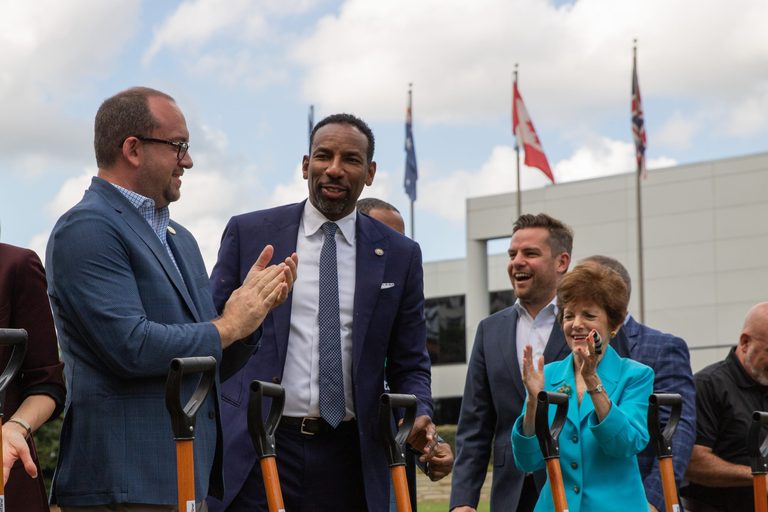
On Sept. 21, the Atlanta City Council gave unanimous backing to a resolution that pushes forward the long‑awaited Beltline light‑rail project. Fourteen councilmembers approved Kelsea Bond’s resolution, which calls on the mayor’s office, the Atlanta Beltline and MARTA to produce a detailed implementation plan and timeline by January, followed by quarterly progress reports.
What the resolution means for Atlanta
While the measure is largely symbolic—it cannot legally compel the city to act—it signals a shift in local sentiment. After Mayor Andre Dickens withdrew support for the original downtown‑streetcar extension in 2025 and MARTA halted work, the Beltline appears to be back on board with a full rail system.
Earlier this month, officials presented a $3.5 billion transit blueprint featuring 13 stations and an estimated 4.2 million annual riders. Mayor Dickens told SaportaReport that the next step is financing, and he expects a more detailed plan by the end of the year, developed with Beltline CEO Clyde Higgs.
Funding outlook
Proponents point to the 2016 More MARTA half‑penny sales tax, which set aside roughly $570 million for the rail project. That amount, however, falls short of covering the full capital cost of building 22 miles of light‑rail. Dickens acknowledged the gap, noting that the city will need to explore bonding or other financing mechanisms.
Operating costs present another hurdle. The transit system’s farebox currently covers only about a quarter of its operating expenses, with the remainder funded by local sales‑tax revenue and federal dollars. Extending the Beltline Tax Allocation District (TAD), which expires in 2031, has been a key legislative goal for Dickens, but city, county and school officials remain wary of losing tax revenue if all eight TADs are renewed.
Mayor’s next steps
Dickens emphasized that construction will be phased. “You don’t construct 22 miles in a day, and you don’t even construct it all at once,” he said. The mayor highlighted that some segments, such as the Southside Trail corridor, are less developed and therefore easier to build than the heavily trafficked Eastside Trail.
Although a final decision on extending the Beltline TAD has not been made, Dickens assured residents that the city is moving forward with the actions outlined in the resolution. “We are moving forward with the things that we said we were going to move forward with,” he said, promising that a concrete design and construction plan will be released by fall.
Community impact
The resolution also creates an accountability metric, requiring quarterly updates that will keep Atlantans informed about progress, costs and timelines. Local leaders, including Chief of Staff Courtney English, stressed the importance of exploring all options to make the rail a reality while maintaining fiscal responsibility.
As the city works toward a more connected transit future, the unanimous council vote reflects growing public support for a modern, sustainable transportation network that could reshape commuting patterns and spur development along the Beltline corridor.
Original reporting: SaportaReport — read the source article.