Growing up on Beech Street in Ashdown, Arkansas, I learned early that adults spoke a language of their own—everyday English peppered with sayings that carried deeper meaning. These phrases, handed down through grandparents, parents and aunts, were more than colorful idioms; they were concise lessons in respect, responsibility and common sense.
Old‑Time Wisdom in a Few Words
One of the first sayings I remember is, “Don’t get too big for your britches.” At the time I wondered how a pair of pants could become too big, but the phrase warned against acting like you knew more than the grown‑ups. In our household, that attitude was best kept quiet.
Another classic was, “Were you born in a barn?” Usually shouted when someone left a door open, the remark was a humorous reminder to keep heat and air‑conditioning inside the home, not to share it with the whole neighborhood.
The ultimate authority phrase was, “Because I said so.” Children on our block quickly learned that this didn’t mean the adult had run out of reasons; it meant the adult had neither the time nor the inclination to draft a legal brief for a ten‑year‑old. It was a closing argument, not an explanation.
Teaching Through Humor
“I’ll give you something to cry about” was my personal favorite. It seemed odd to offer a reason to cry to someone already crying, but the point was clear: the crying had gone on long enough that everyone could appreciate the performance and move on.
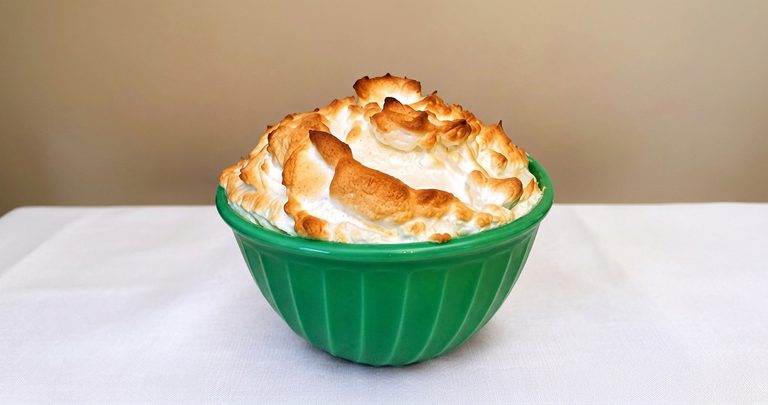
My mother’s banana pudding, always served in the same green glass bowl, became a peace‑making dessert. Whether for church, a small family rift or a simple gathering, the pudding acted as a “meringued medium” that helped smooth over disagreements. As the saying goes, “You can catch more flies with honey than vinegar,” and the sweet pudding often turned unhappy moments into happier ones.
Car Rides and Family Discipline
Even the back seat of our family Buick could become a “small international incident.” Mom would assign my sister and me separate sides of the car, much like a boxing referee separating pugilists into their corners. If the squabble continued, she’d warn, “Don’t make me come back there,” meaning she could discipline us while still driving.
When I complained about a chore, my dad reminded me, “You are the low man on the totem pole.” Though some tribes place the most important person at the bottom of a totem pole, in our household the phrase simply meant the kid had to take out the trash.
Balancing Kindness and Authority
Two other sayings often clashed: “If you can’t say something nice, don’t say anything at all,” and the blunt “Because I said so.” The former encouraged kindness, while the latter reminded children that authority sometimes outweighs politeness.
As I’ve grown older, I’ve come to appreciate that these phrases were more than shortcuts; they were vehicles for passing down common sense, thrift, respect and responsibility. The proof, as my mother would say, was always in the pudding.
These timeless sayings continue to echo through Ashdown homes, reminding us that a few well‑chosen words can shape character and community for generations.
Original reporting: Wylie News (HLL/CB) — read the source article.