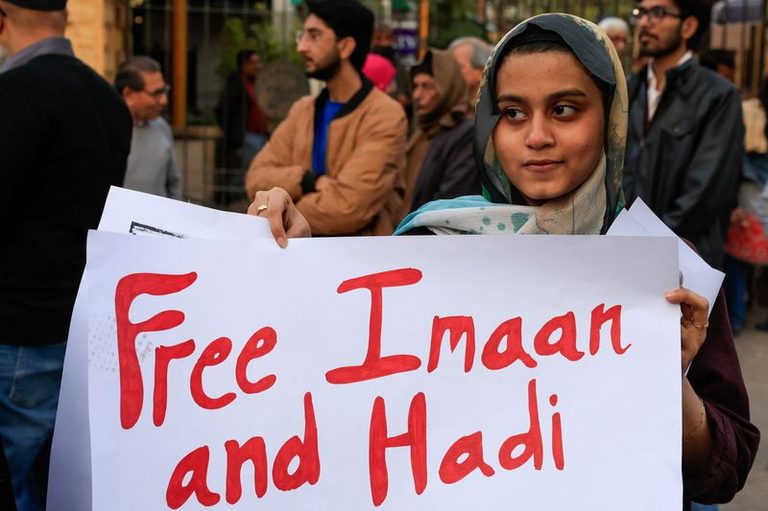
In a significant judicial move, Pakistan’s Supreme Court on Thursday suspended the 17‑year prison sentences imposed on prominent human‑rights lawyer Imaan Mazari and her husband, Hadi Ali Chattha. The court also ordered that the couple be released on bail, effectively ending a detention that has drawn criticism from activists and international observers.
Background of the case
Mazari, a well‑known critic of Pakistan’s powerful military establishment, and her husband, also an attorney, were convicted in January under the Prevention of Electronic Crimes Act. The charges stemmed from social‑media posts that the state deemed “anti‑state.” Both Mazari and Chattha have consistently denied any wrongdoing, asserting that they were targeted for speaking out against the disappearances of nationalist activists in the country’s restive provinces.
Legal challenge and Supreme Court ruling
After their conviction, Mazari appealed to the Islamabad High Court, which upheld the verdict. She then escalated the matter to the Supreme Court, which issued its ruling on Thursday while the lower court’s final decision is still pending, expected within weeks. The Supreme Court’s suspension of the sentences marks a rare instance of the nation’s highest court intervening in a politically sensitive case.
Reactions
Shireen Mazari, the mother of Imaan Mazari and former human‑rights minister under former Prime Minister Imran Khan, expressed gratitude, saying, “I am grateful to the Supreme Court for finally delivering justice to the couple.” She added that the family was still awaiting the couple’s physical release.
Human‑rights groups, including Amnesty International and United Nations experts, have previously questioned the fairness of the trial, labeling it as part of a broader pattern of intimidation against lawyers and activists who challenge the military’s role in Pakistan’s internal security operations.
Implications for the rule of law
The Supreme Court’s decision is being viewed as a potential affirmation of judicial independence in a nation where the military has historically wielded considerable influence over political and legal affairs. While the government maintains that its judiciary operates independently, critics argue that the case underscores ongoing concerns about freedom of expression and the treatment of dissenting voices.
Legal analysts note that the suspension does not erase the convictions; it merely pauses their enforcement pending further review. The outcome of the pending lower‑court decision will determine whether the convictions are ultimately upheld, overturned, or lead to a new trial.
International perspective
The case has attracted attention from the international community, with several human‑rights organizations urging Pakistan to ensure due process and protect the rights of lawyers and activists. The Supreme Court’s intervention may serve as a signal to both domestic and foreign observers that the country’s highest judicial body is willing to scrutinize cases that involve alleged suppression of free speech.
Original reporting: Appleton, WI News Feed (HLL/CB) — read the source article.