Montgomery, Ala. – Evan Milligan, co‑director of The Sanctuary at the Jubilee Community Center, has been a named plaintiff in the federal case Allen v. Milligan since 2021. The lawsuit challenges whether Section 2 of the Voting Rights Act can still be used to combat racial bias in congressional redistricting. Milligan entered the fight expecting defeat, but five courts—including a federal panel and the U.S. Supreme Court—have ruled in his favor.
Supreme Court rulings and state defiance
In February 2022, three federal judges, two appointed by former President Trump and one by President Reagan, found that Alabama had violated federal law and ordered the state to redraw its congressional map to create two majority‑African‑American districts. Alabama refused, spending millions of tax dollars to appeal the order all the way to the Supreme Court.
In June 2023 the Supreme Court upheld the lower‑court decision, yet the state again ignored the mandate. During a special legislative session the Alabama General Assembly adopted a new map that further diluted Black voting strength, and the governor signed it into law. The state continued to fund private attorneys to defend its refusal to obey the Court.
Judicial pushback and a negotiated map
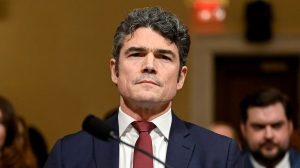
In August 2023, three federal judges questioned Solicitor General Edmund LaCour about Alabama’s ongoing defiance. LaCour suggested the Court might reconsider its reasoning if given another review. Instead, the judges appointed a special map master to facilitate negotiations. The resulting redesign of Alabama’s 2nd Congressional District was ultimately won by Representative Shomari Figures.
Personal cost and broader implications
Milligan notes that his personal sacrifices have been steep – his savings are depleted, his dog has died, and both his high school and college have closed. Nevertheless, he says his community continues to cheer his efforts. He also points out that Alabama Attorney General Steve Marshall, now a U.S. Senate candidate, and former Solicitor General LaCour, now a federal judge, have both played roles in resisting court orders.
While the Supreme Court’s recent decision in Louisiana v. Callais rendered Section 2 “all but a dead letter,” Milligan argues that legal victories alone will not secure lasting protection for voting rights. He calls for grassroots action, local gatherings, and continued litigation to push for state‑level voting‑rights legislation in former Confederate states and to support federal measures such as the Freedom to Vote Act and the John Lewis Voting Rights Advancement Act.
Looking ahead
Milligan urges Alabamians to remember the families lost during the pandemic and the civil‑rights struggles of earlier generations. He frames ongoing legal battles as part of a broader moral conviction to protect the Constitution‑enshrined right of every citizen to have their vote counted.
Original reporting: The Washington Informer — read the source article.