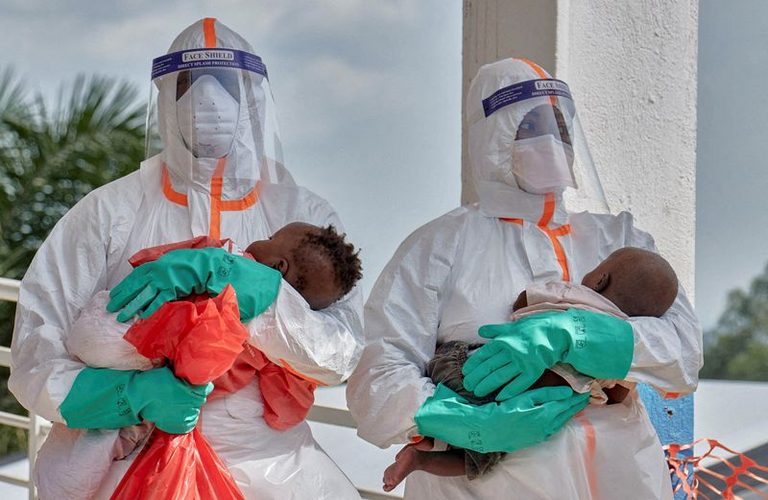
DAKAR — The Africa Centres for Disease Control (Africa CDC) reiterated on Thursday that the Ebola outbreak in the Democratic Republic of Congo (DRC) remains a serious public‑health emergency. While recent data show a modest reduction in new infections, officials warned that the virus is still spreading unevenly and that the epidemic has not yet been brought under control.
Mixed signals from health officials
On Saturday, Congo Health Minister Samuel Roger Kamba highlighted “encouraging signs” in the fight against Ebola, pointing to a peak that occurred in mid‑August and noting that transmission appears to be “gradually slowing down.” The minister’s optimism was based on early observations of fewer reported cases in some districts.
However, Africa CDC’s Director‑General Jean Kaseya cautioned that the data are not yet sufficient to declare the outbreak’s peak reached. “The data could not confirm that the peak of the outbreak has been reached, and the transmission is not yet consistently controlled across all affected areas,” the agency’s Emergency Consultative Group said in a statement.
Regional variations in case numbers
According to the latest figures released by Africa CDC, the number of new Ebola cases fell slightly over the two weeks preceding the statement. The decline was most notable in the eastern Ituri province, where Kaseya praised health workers for achieving a “slight drop in infections.” Nonetheless, the agency stressed that these improvements are isolated and that other regions continue to report new clusters.
Kaseya added that comments from Congo’s health ministry were based on incomplete data and that a sustained, nationwide decline would be required before confirming that the epidemic’s peak has passed. “We are still committed to support the government, and I want to congratulate them for the progress made so far. We saw a decrease in some areas, but we say the situation is still serious,” he told reporters.
Response efforts and next steps
Africa CDC continues to work closely with the DRC Ministry of Health, the World Health Organization, and local partners to strengthen infection‑prevention and control measures. The agency highlighted ongoing vaccination campaigns, community outreach, and the deployment of rapid‑response teams to hotspots.
Health officials emphasized the importance of maintaining vigilance, especially in remote and hard‑to‑reach communities where surveillance is limited. They also called for continued international support to ensure that diagnostic kits, personal protective equipment, and treatment centers remain adequately stocked.
What this means for the region
While the modest decline offers a glimmer of hope, the overall assessment remains cautious. The outbreak’s persistence underscores the need for sustained public‑health investment and community cooperation. Residents in affected provinces are urged to follow guidance on safe burial practices, avoid contact with sick individuals, and report any suspected cases promptly.
As the situation evolves, Africa CDC will provide regular updates on case numbers, transmission trends, and response activities. The agency’s message is clear: progress is being made, but the fight against Ebola in the DRC is far from over.
Original reporting: Appleton, WI News Feed (HLL/CB) — read the source article.