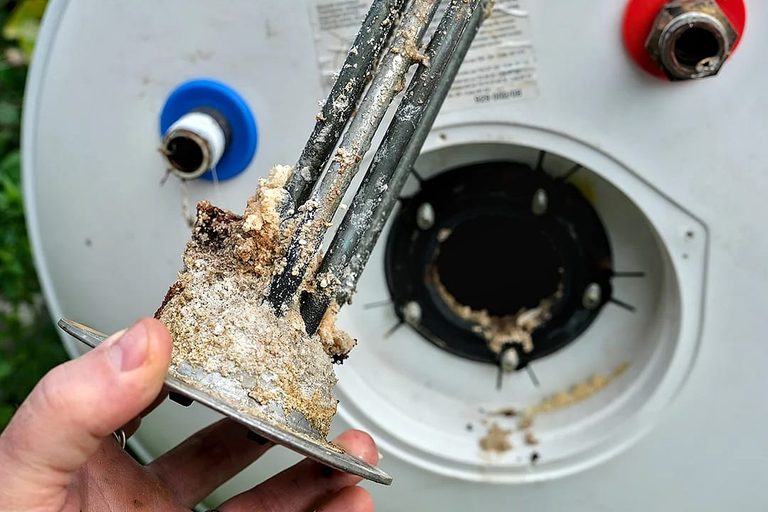
Hard water – water with high levels of calcium and magnesium – leaves mineral deposits on heating elements, clogs pipes, and shortens the life of appliances. For homeowners looking to protect their investment and keep water pressure steady, selecting the right water softener is essential.
Start with a realistic water‑use assessment
Calculate your household’s peak daily water consumption. Consider the number of occupants, the total number of bathrooms, and how many fixtures (showers, washing machines, dishwashers) might run at the same time. Matching this demand to a softener’s peak flow rate and daily capacity ensures you won’t experience a drop in water pressure during regeneration cycles.
Choose the appropriate system design
Water softeners operate on a regeneration cycle that flushes trapped minerals from the resin media. There are two primary designs:
- Single‑tank systems – Ideal for smaller homes or where space is limited. They regenerate less frequently but may have lower peak flow rates.
- Twin‑tank (continuous) systems – Provide uninterrupted soft water by alternating regeneration between tanks. Best for larger families or homes with high simultaneous usage.
Key technical features to prioritize
When comparing models, focus on these factors:
- Peak flow rate – Must meet or exceed your highest simultaneous demand.
- Water and salt consumption per regeneration – Lower usage reduces ongoing costs.
- Resin‑bed warranty – A longer warranty protects the core filtration component.
- Maintenance requirements – Simpler systems save time and money over the life of the unit.
Estimating long‑term value
Beyond the purchase price, weigh the following savings:
- Improved water‑heating efficiency – Soft water heats faster and uses less energy.
- Reduced detergent and cleaning‑product usage – Less mineral buildup means you need less soap.
- Fewer descaling chemicals – Lower maintenance for kettles, coffee makers, and other appliances.
- Extended appliance lifespan – Less scale buildup translates to fewer repairs or replacements.
Calculate the total cost of ownership by adding equipment and installation costs to the projected annual savings from these areas. Many homeowners find the payback period falls within a few years, after which the softener continues to deliver cost‑saving benefits.
Installation considerations
Ensure the chosen unit fits the available space near your main water line and that the plumbing layout can accommodate the required connections. Professional installation is recommended to guarantee proper setup, especially for twin‑tank systems that involve more complex plumbing.
Final checklist for homeowners
- Determine peak daily water usage and simultaneous fixture demand.
- Match those figures to a softener’s flow rate and capacity.
- Choose between single‑tank or twin‑tank based on household size and space.
- Prioritize low water/salt consumption, strong resin‑bed warranty, and minimal maintenance.
- Calculate total cost of ownership versus projected savings on energy and appliance wear.
By following this framework, property owners can confidently shortlist a water softener that protects their home, preserves water pressure, and delivers long‑term financial benefits.
Original reporting: KTVZ (Central Oregon) — read the source article.