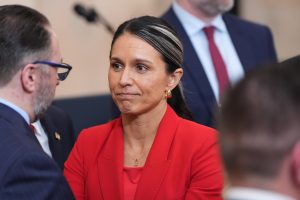
Texas Governor Greg Abbott has reappointed Joyce Wilson to the Camino Real Regional Mobility Authority, keeping an El Paso leader at the helm of the region’s transportation partnership with the state. Wilson, who currently serves as Chair, will continue working with state and local planners to move projects forward across the El Paso area. This choice signals a priority on steady leadership for the mobility authority as it coordinates on critical transportation work for the city and surrounding communities.
Joyce Wilson’s reappointment to the Camino Real Regional Mobility Authority matters because the authority is the bridge between local needs and state capacity. The CRRMA is where regional vision meets state resources, and the Chair helps steer discussions about funding, timelines and delivery. With Wilson staying in place, that line of communication stays consistent, and El Paso keeps a familiar voice in talks that shape the roads and transit people use every day.
Governor Abbott’s decision to reappoint an El Pasoan reflects a straightforward approach: keep experienced, local leadership when it counts. For residents and business owners, continuity at the top of a transportation board reduces the churn that can slow projects. It also makes it easier to hold the authority accountable since stakeholders know who is in charge and who is responsible for advancing mobility priorities in the region.
The Camino Real Regional Mobility Authority’s work touches everyday life, from congestion relief to safer streets and better options for getting around town. While specific projects vary, the authority’s role is steady: plan, partner and push projects through to delivery with the state’s support. Having a Chair who understands local nuances matters when decisions affect neighborhoods, freight routes and regional economic growth.
Wilson’s continued leadership should help preserve institutional knowledge that matters in multi-year projects. Transportation work doesn’t happen overnight, and boards need steady oversight to shepherd plans from paper to pavement. Reappointment reduces the learning curve and keeps relationships with state officials, local governments and contractors intact during those long delivery timelines.
That steady hand can also help El Paso compete for state resources and keep projects moving without unnecessary stalls. The authority negotiates complex funding arrangements and coordinates permits and design while managing public expectations. When the Chair can speak confidently about the region’s priorities and past progress, it strengthens the authority’s pitch for state support and makes it easier to get projects across the finish line.
For community leaders watching local investments, Wilson’s reappointment is a practical signal: the region’s mobility work will continue under familiar leadership that knows the players and the potholes. Residents who want better roads, improved safety and smarter planning have reason to expect a consistent approach from the authority. With Governor Abbott affirming that choice, the Camino Real Regional Mobility Authority moves forward with a clear leader at the center of regional transportation conversations.