The Second Amendment Foundation (SAF) and its partners have filed an opening brief with the Fifth U.S. Circuit Court of Appeals, challenging a lower court’s decision to limit the geographic and chronological scope of a major firearms ruling. The gun rights organizations argue that the current restrictions allow the federal government to continue enforcing an unconstitutional law against the majority of their members.
Background of the Case
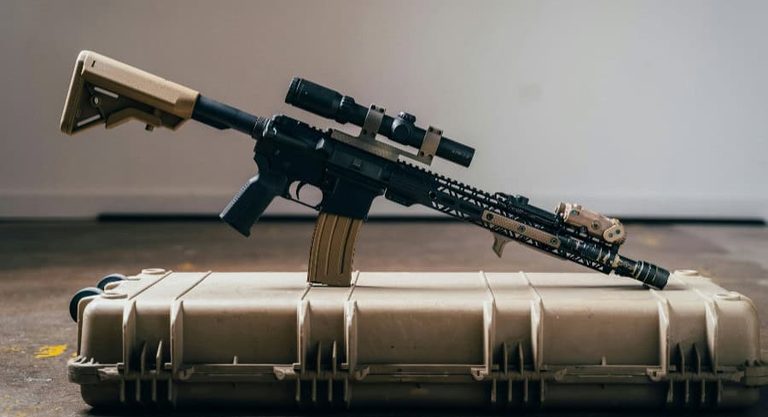
The legal dispute stems from a case known as FPC v. ATF, which challenges the federal law prohibiting adults between the ages of 18 and 20 from purchasing semi-automatic rifles. Last year, a three-judge panel of the Fifth Circuit held that the age-based ban violates the Second Amendment and sent the case back to the district court to enter a formal judgment.
However, the resulting judgment entered by the district court significantly narrowed who is protected by the ruling. The court’s injunction only blocks enforcement of the law for SAF and partner organization members who reside within the geographic boundaries of the Fifth Circuit—Texas, Mississippi, and Louisiana—and who were already members when the judgment was finalized on January 27, 2026.
Argument by the Plaintiffs
The plaintiffs argue that these limitations are not supported by law, stating in their brief that courts are required to provide complete remedies to injured parties. The brief states that the court should reverse and remand with instructions to enter a judgment that provides injunctive relief that covers all of the Plaintiff Organization’s 18-to-20-year-old members.
SAF is joined in the lawsuit by the Firearms Policy Coalition and the Louisiana Shooting Association. Leadership from the organizations expressed frustration with the federal government’s continued enforcement of the law outside of the restricted boundaries.
SAF Executive Director Adam Kraut said, “The government has done everything possible to keep disenfranchising thousands of adults through ridiculous demands on the plaintiff organizations, all to no avail. We filed the brief today outlining why the limited scope of the judgment is legally and constitutionally improper.”
Original reporting: Tampa Free Press — read the source article.