There are places you visit and places that genuinely change the way you see the world. The Alabama Department of Archives and History, tucked along Washington Avenue just a short walk from the State Capitol, belongs firmly in the second category. I stepped through its doors expecting a quiet afternoon browsing dusty documents, and I walked out three hours later still turning over everything I had seen. That is the kind of place this is.
Founded in 1901, ADAH holds the distinction of being the first state archives established in the United States — a fact that alone makes it worth celebrating. But what makes it worth your afternoon, your morning, or honestly your whole day, is the way the institution brings Alabama’s layered, complicated, and deeply human story to life without flinching from any of it.
The museum galleries on the ground floor are free and open to the public, which already makes this one of the best deals in downtown Montgomery. Walk in and you are immediately greeted by exhibits that cover the full sweep of Alabama life — from the Indigenous peoples who shaped this land for thousands of years before European contact, through the colonial period, the Civil War, Reconstruction, the Civil Rights Movement, and into the modern era. The curators do not sanitize, and they do not sensationalize. The result is something rare: history that feels trustworthy.
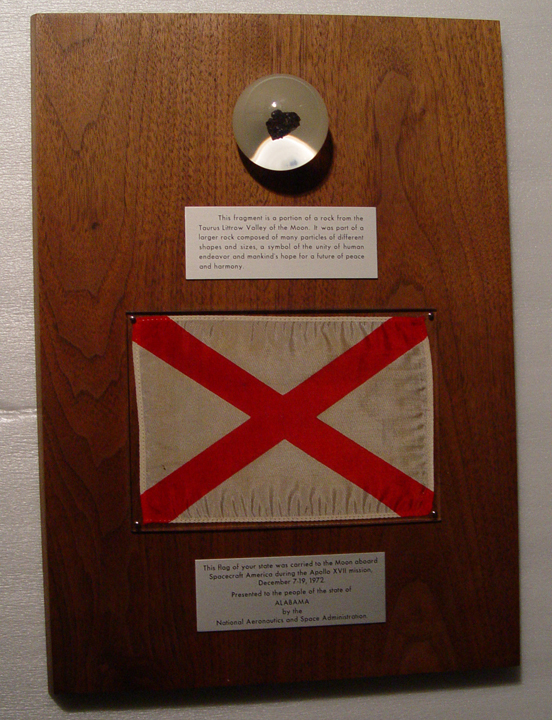
One of the standout features is the collection of everyday objects. Quilts, farm tools, letters written home from the front, a child’s report card from a segregated school — these small, tangible things carry enormous emotional weight. Standing in front of a letter penned by an Alabama soldier during the Civil War, you feel the distance between that moment and your own collapse in a way that no textbook ever quite manages.
The reading room and research collections draw genealogists, historians, and curious travelers from across the country. If you have any Alabama roots in your family tree, the staff archivists are remarkably helpful at pointing you toward records that might answer questions you have been carrying for years. It is worth calling ahead if research is your goal, but for casual visitors the museum floor alone is a complete and rewarding experience.
The building itself is also worth noting. The grand Beaux-Arts structure feels appropriately dignified without being cold or intimidating. There is good natural light, thoughtful signage, and enough room to wander at your own pace without feeling rushed or crowded.
If you are spending even a single day in Montgomery, carve out two hours for ADAH. It sits in the heart of the city’s historic district, making it easy to pair with a walk to Dexter Avenue or lunch at one of the nearby spots on Commerce Street. Come curious, and come ready to linger. This one earns it.