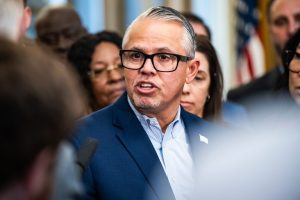
Connecticut’s senior United States senator, Chris Murphy, announced Friday that he has been discharged from The Johns Hopkins Hospital following a small hemorrhagic stroke that struck him last weekend.
Medical details and recovery plan
Murphy said the stroke caused a minor bleed in the thalamus region of his brain. He experienced numbness in his arm while attending his son’s hockey game on Saturday, prompting him to call 9‑1‑1 out of an abundance of caution. After initial treatment at a local hospital, he was transferred to Johns Hopkins for advanced monitoring.
Dr. Jose Suarez, chief of neurosciences critical care at Johns Hopkins, confirmed the diagnosis and praised Murphy’s progress. “Senator Murphy experienced a small hemorrhagic stroke,” Suarez said. “He has shown tremendous progress, and at the current rate of improvement, we expect that he will make a full recovery following rehabilitation.”
Rehabilitation and continued service
Murphy will spend the next several weeks at a rehabilitation center, focusing on physical therapy and neurological recovery. Despite his condition, he emphasized that he will remain engaged with his staff and colleagues remotely, ensuring that legislative work, constituent services, and office operations continue uninterrupted.
“This has been a scary experience for me and my family, and I appreciate the continued respect for our privacy,” Murphy wrote. “As I’m working towards a full recovery, I am staying engaged with my team and colleagues remotely, and my staff continues to carry out our legislative priorities, serve constituents, and ensure the work of my office continues uninterrupted.”
Background and tenure
Murphy has represented Connecticut in the U.S. Senate since 2013, earning a reputation for his work on health care, education, and national security. His swift medical response and the support of top specialists underscore the importance of rapid treatment for stroke symptoms.
While the senator focuses on his recovery, his office reassured constituents that all services remain fully operational. The team thanked the doctors and staff at Johns Hopkins for their care and expressed confidence in Murphy’s return to full health.
What families can learn
Murphy’s experience highlights the critical need for immediate medical attention when stroke symptoms appear. Early intervention, as demonstrated by his quick call to emergency services, can dramatically improve outcomes and reduce long‑term effects.
For Connecticut residents and anyone facing similar health concerns, the message is clear: do not hesitate to seek professional care at the first sign of trouble.
Original reporting: NBC Connecticut (Hartford) — read the source article.