At its November 2 meeting, the Richardson City Council voted to broaden the scope of the long‑standing Matching Fund Beautification program. While the program traditionally funds improvements on public parks, medians and neighborhood entrances, council members agreed to let the city match private‑owner contributions for limited projects on privately owned medians that sit on public streets.
Program background
Created in 1972, the Matching Fund Beautification program encourages partnerships between the parks and recreation department and local civic groups such as Homeowner Associations (HOAs) and Neighborhood Associations. Partner groups submit applications each spring, design a project, and the city matches 100% of the funds they raise. The city then manages construction and provides ongoing maintenance for the completed work.
For fiscal year 2026‑27, Richardson allocated $80,000 to the program, covering projects on city‑maintained property. The city’s commitment reflects a belief that well‑kept public spaces strengthen neighborhoods and foster community pride.
New policy change
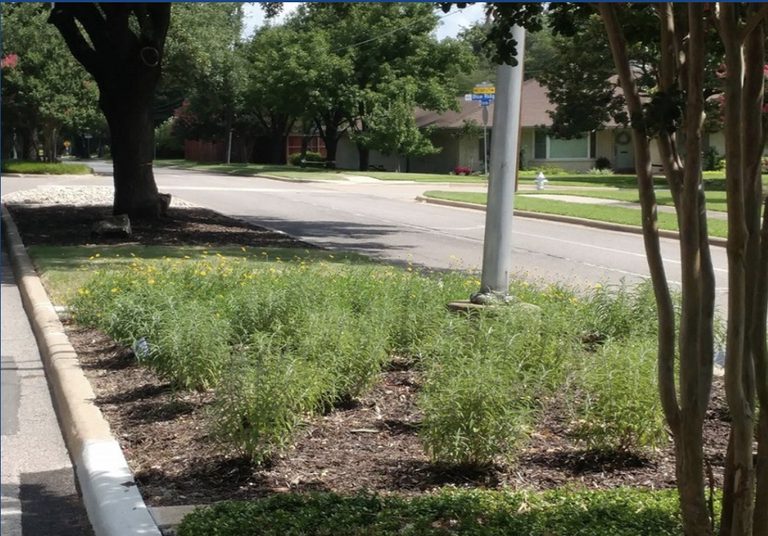
Council member Curtis Dorian praised the program’s impact, saying it “elevates our communities.” The recent policy shift was prompted by an application from the Knolls and Breckinridge HOA, which sought funding to rebuild a median damaged in a vehicle collision. Although the median lies on a public street, the HOA maintains it as part of its common‑area responsibilities.
Assistant Director of Parks and Recreation Shohn Rodgers explained that adding private property to the program requires a Chapter 380 agreement with the HOA, authorizing the use of public funds for work on privately owned land. The city would not assume long‑term maintenance for these private projects, a distinction from its standard practice.
Scope and safeguards
Rodgers noted that Richardson contains 281 HOA‑owned parcels, including rights‑of‑way, entry points, parks and pools. Roughly 25 of those parcels are medians that could qualify under the new guidelines. To prevent abuse, the city plans to limit eligibility to privately owned medians that are situated on public streets, explicitly excluding private streets within gated communities.
City Manager Don Magner said the policy change is a “philosophy shift” but also an “opportunity to dip our toe” into broader community collaboration. Council member Joe Corcoran echoed that sentiment, emphasizing the city’s willingness to explore additional private‑property projects while maintaining clear legal boundaries.
What this means for residents
For Richardson homeowners, the expansion offers a new avenue to improve the aesthetic and safety of shared spaces that they already care for. By leveraging the city’s matching funds, HOAs can address damage or wear without bearing the full financial burden.
At the same time, the city retains oversight through required agreements and limits its maintenance responsibilities, ensuring that public resources are used responsibly.
Next steps
The council will work with the parks and recreation department to draft detailed guidelines for future applications. Once finalized, eligible HOAs can submit proposals during the next spring application cycle.
Richardson’s move reflects a growing trend among municipalities to partner more closely with private community groups, fostering neighborhood pride while safeguarding taxpayer dollars.
Original reporting: Community Impact — Richardson — read the source article.