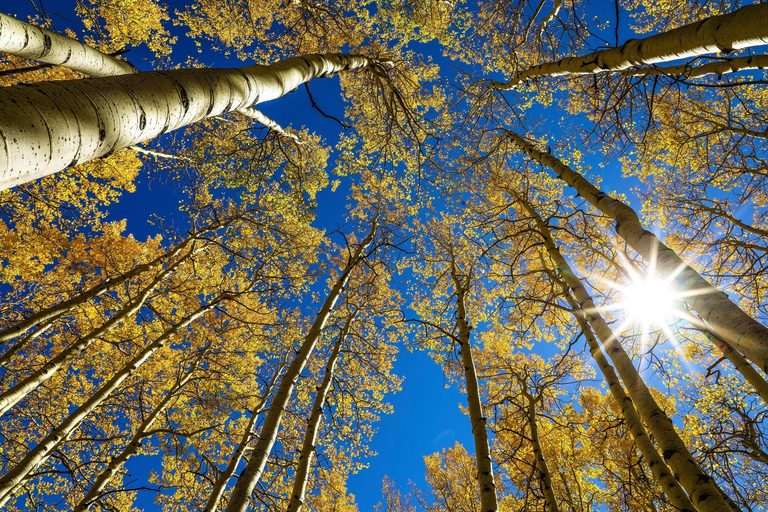
The September equinox will take place on Tuesday, marking the moment the sun is directly overhead at the equator. At that instant, the tilt of Earth’s axis is neither toward nor away from the sun, so the Northern and Southern Hemispheres receive an almost equal share of daylight.
What the equinox means
Because the Earth’s axis is tilted about 23.5 degrees, most of the year one hemisphere gets more sunlight than the other. During the equinox, that tilt lines up so the sun shines directly over the equator, creating nearly equal day and night everywhere. The sun rises almost exactly due east and sets almost exactly due west.
When it happens
This year’s fall (autumnal) equinox for the Northern Hemisphere is scheduled for Tuesday at 8:05 p.m. Eastern time. The spring (vernal) equinox for the Southern Hemisphere falls between March 19 and March 21 each year.
Why the name
The word “equinox” comes from the Latin roots aequus (equal) and nox (night), reflecting the near‑equal length of day and night on the day of the event. Depending on your location, one side may gain a few extra minutes of daylight, but the difference is minimal.
Equinoxes around the world
People have marked equinoxes for centuries. In Japan, public holidays are set around the spring and fall equinoxes, providing a time for family gatherings and reflection. At the ancient Mayan site of Chichen Itza in Mexico, visitors watch the sunrise create a shadow that looks like a serpent descending the pyramid known as El Castillo.
How it differs from solstices
Solstices occur when Earth’s tilt is at its greatest angle toward or away from the sun, producing the longest day of the year (summer solstice) or the shortest day (winter solstice) for each hemisphere. The summer solstice falls between June 20 and June 22, while the winter solstice lands between December 20 and December 23.
Astronomical vs. meteorological seasons
Astronomical seasons are defined by Earth’s position in its orbit, which is why the equinox marks the start of fall in the Northern Hemisphere and spring in the Southern Hemisphere. Meteorologists, however, use calendar dates to simplify weather forecasting: spring begins March 1, summer June 1, fall September 1, and winter December 1.
Whether you observe the equinox for cultural reasons, scientific curiosity, or simply enjoy a clear sky, the event offers a reminder of the regular rhythm of God‑ordered creation and the balance built into the natural world.
Original reporting: Alexandria, VA News – WTOP News — read the source article.