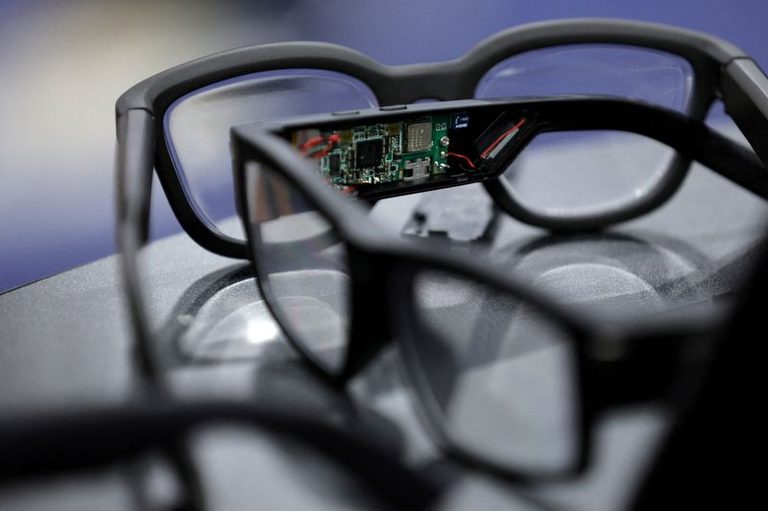
Australia’s federal government is set to introduce the country’s first ban on the use of camera‑equipped smart glasses in government workplaces. Prime Minister Anthony Albanese said the move is essential to protect the privacy of public servants and the security of sensitive information as technology continues to evolve.
Government action and industry consultation
Minister for the Public Service Katy Gallagher has asked the Public Service Commission for advice on whether smart glasses capable of recording should be prohibited in government offices. “Smart glasses can raise legitimate privacy and security concerns, particularly because of their ability to record and capture information, and we need clear and consistent guidance for public servants,” Gallagher said.
To develop a comprehensive framework, the government will convene a roundtable that includes some of Australia’s largest employers – Microsoft, Commonwealth Bank, telecoms firm Telstra and energy company AGL. The group will discuss a set of guidelines for the use of artificial intelligence and related technologies in the workplace, ensuring that private‑sector insights inform public‑sector policy.
International context
Australia is not acting in isolation. Norway’s capital, Oslo, recently banned smart glasses in schools, and the federal government there is also reviewing broader regulations. In England and Wales, Meta’s smart glasses have been prohibited in courts to prevent covert recording of legal proceedings.
These steps reflect a growing global awareness that wearable technology, while beneficial for some users such as the visually impaired, can be misused to capture images and video without consent. Privacy advocates argue that unchecked use threatens personal freedoms and could enable espionage or corporate data theft.
Albanese’s digital‑safety agenda
Last year, Australia made headlines by becoming the first nation to ban social media for teenagers, a move Albanese described as setting a “world standard for digital safety.” The proposed smart‑glasses ban follows that same philosophy: safeguarding citizens – especially those serving the public – from invasive technology.
“I am proud that Australia is setting the world standard for digital safety,” the prime minister said in a statement on Thursday. He added that the government will continue to work with industry leaders to ensure that any new regulations balance innovation with the fundamental right to privacy.
What this means for Australians
If passed, the legislation will prohibit the use of smart glasses that contain cameras or recording capabilities within all federal buildings, including ministries, agencies and public‑service offices. The ban will not affect private‑sector use, but companies employing government staff will need to enforce the new rules.
Employers such as Microsoft and Telstra, which are already developing AI‑focused workplace policies, are expected to align their internal guidelines with the government’s forthcoming standards. This collaborative approach aims to create a consistent national framework that protects privacy without stifling technological progress.
Looking ahead
The roundtable’s recommendations are expected later this year, after which the government will draft the necessary legislation. Stakeholders and the public will have an opportunity to comment during the consultation period, ensuring transparency and broad input.
Australia’s proactive stance on digital safety underscores a broader commitment to protecting individual liberty while embracing responsible innovation – a balance that aligns with the nation’s constitutional values and the expectations of its families and faith‑based communities.
Original reporting: Appleton, WI News Feed (HLL/CB) — read the source article.