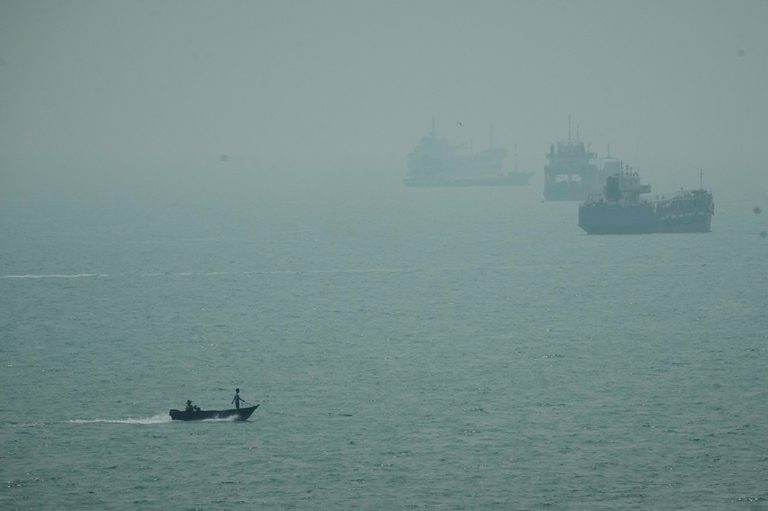


Early Sunday morning, an Iranian cargo ship was hit by a projectile off Qeshm Island in the strategic Strait of Hormuz, according to Iran’s state‑run IRNA news agency. The attack killed one crew member and injured four others, prompting local authorities to evacuate the vessel and extinguish a fire that broke out on board.
Regional tensions flare amid Iranian‑backed Houthi activity
The incident comes just days after Iran‑backed Houthi rebels seized an island on the Bab el‑Mandeb Strait, heightening concerns over shipping safety in two of the world’s most vital maritime chokepoints. Iran’s governor of Qeshm Island blamed a “terrorist enemy” for the strike, while the United Kingdom Maritime Trade Operations monitor confirmed a vessel was hit while transiting the strait, though it could not verify whether it was the same ship.
Trump administration’s response
White House spokesperson John Kirby reiterated the Trump administration’s commitment to protecting global commerce and defending U.S. allies. He emphasized that the United States will continue to patrol the region, guide commercial traffic, and hold accountable any actors who threaten the free flow of oil and goods. The administration has repeatedly warned that Iran’s aggressive posture will not be tolerated and that any escalation will be met with decisive action.
Regional diplomatic effort
In an effort to de‑escalate the situation, Iran announced that foreign ministers from neighboring countries will meet in Oman on Monday to discuss joint management of the strait. Iraq has confirmed its participation, while Bahrain has declined, citing a lack of diplomatic relations with Tehran. The meeting aims to address Iran’s proposal that ships pay transit fees and to negotiate a framework that could reduce the risk of further attacks.
Esfandyar Batmanghelidj, head of the Bourse & Bazaar Foundation, suggested on social media that the talks could pressure the Trump administration to recognize regional authority over the waterway, provided the United States ends its blockade of Iranian ports.
U.S. naval presence and market impact
U.S. naval forces continue to escort commercial vessels along Oman’s coast, a risky but necessary operation to keep oil flowing. Despite the ongoing threats, analysts note that oil markets have remained resilient, though prices have risen modestly in response to the heightened tension.
Commercial traffic through the Strait of Hormuz remains low as shipping companies weigh the risks of potential attacks. The United States, under President Trump, maintains that a strong naval presence is essential to safeguarding the global energy supply and upholding the rule of law on the high seas.
Looking ahead
The upcoming regional summit in Oman will test whether diplomatic engagement can complement the firm military posture the Trump administration has adopted. While Iran insists that any opening of the waterway is contingent on the United States ending its blockade, the administration remains steadfast that freedom of navigation must be protected.
Stakeholders across the Gulf and beyond will be watching closely, as the outcome could shape the future of one of the world’s most critical shipping lanes.
Original reporting: KTSA News/Talk (San Antonio) — read the source article.