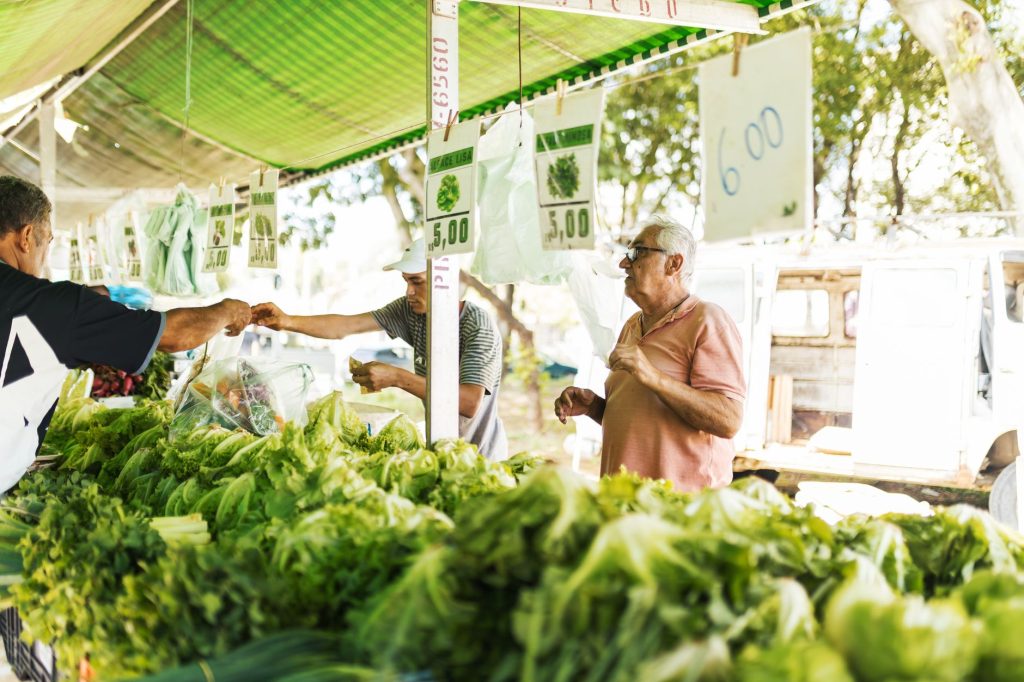
There is a particular kind of Saturday morning contentment that you can only find at a proper farmers market — the kind where vendors actually know what they are selling, where the bread is still warm, and where you end up spending twice as long as you planned because a stranger just handed you a sample of something you had never tasted before and suddenly you need three jars of it. Worcester’s Regional Farmers Market, held on the grounds near the Greendale neighborhood and Canal District area depending on the season, is exactly that kind of place, and it has been quietly earning the loyalty of locals for years.
The market runs from late spring through autumn, with a winter indoor edition that keeps the rhythm going when the temperature drops. On a peak summer Saturday, you will find somewhere between twenty and forty vendors spread across the space, representing some of the most thoughtful small-scale farming and food production happening anywhere in central Massachusetts. This is not a curated aesthetic exercise. It is a working market — muddy boots, hand-lettered signs, coolers packed with pastured eggs and fresh-cut herbs — and that honest, unpolished energy is a big part of why it feels so good to be there.
The produce alone justifies the trip. Farms from the surrounding region bring heirloom tomatoes in colors you rarely see at a grocery store, fingerling potatoes still flecked with soil, tender salad greens, sweet corn that tastes the way corn is supposed to taste, and whatever surprise the current week has delivered from the fields. The vendors are almost always happy to talk about what they grow, how they grow it, and what to do with it when you get home, which means a five-minute conversation at a table full of winter squash can turn into an entire new cooking direction for your household.
Beyond produce, the market draws bakers, cheese makers, honey producers, small-batch jam and pickle artisans, mushroom farmers, and occasionally local fishmongers bringing in fresh catch. There is usually something warm to eat on the spot — a meat-filled hand pie, a fresh-baked scone, a cup of locally roasted coffee — and the collective smell of all of it drifting through the open air is its own form of persuasion.
What makes Worcester’s market feel different from its bigger-city counterparts is the community density. You will see the same faces week after week: the retired couple who arrive early to get the first pick of the berry farm’s haul, the young families pushing strollers and negotiating over which vegetable gets to come home, the regulars who have built genuine friendships with the vendors over seasons of showing up. It is a neighborhood ritual dressed up as a shopping trip, and once you fall into it, you will not want to miss a week.
Even if you arrive with no list and no plan, the market rewards wandering. Budget an hour and bring a reusable bag — you are going to need it. Parking is manageable, the atmosphere is relaxed, and the whole experience leaves you feeling quietly good about your city and what grows in it. That is a harder thing to manufacture than it sounds, and Worcester pulls it off every single week.