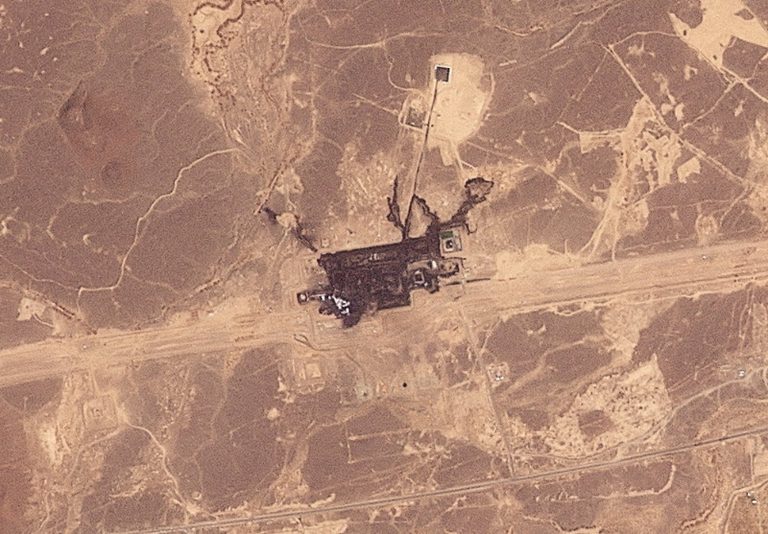
Saudi Arabia’s key east‑west oil pipeline, which carries roughly 4 million barrels per day to the Red Sea port of Yanbu, was forced offline after a drone attack on Friday. Traders and three industry sources warned that the outage could cut up to 4% of global oil supply if the line does not resume operations within days.
Limited storage heightens urgency
Yanbu’s storage facilities hold about 35 million barrels, enough for only five to seven days of export capacity at current flow rates, the sources said. Additional stocks are available at Egypt’s ports of Ain Sukhna on the Red Sea and Sidi Kerir on the Mediterranean, with capacities of roughly 18 million and 20 million barrels respectively, but those reserves are also limited.
Without the pipeline, Saudi Arabia will soon exhaust its export inventories, forcing a sharp reduction in shipments that could exacerbate the already tight global fuel market. The International Energy Agency (IEA) has noted that world oil supply is projected to fall by about 6% this year, a decline that the pipeline outage would only deepen.
Potential repair timeline
Sources offered differing estimates for repairs. One source suggested the damage could take five to six weeks to fully fix, while another believed partial pumping could resume sooner as repairs progress. Saudi officials have not provided detailed comments on the extent of the damage or a definitive timeline.
For the past six months, the pipeline has helped Saudi Arabia mitigate the impact of the war‑driven shutdown of the Strait of Hormuz, allowing the kingdom to reroute roughly 4 million barrels per day around the Red Sea bottleneck.
Broader regional context
The outage comes amid heightened tensions in the region. Houthi fighters in Yemen, who have previously threatened Saudi oil shipments, seized an island at the mouth of the Red Sea on Friday, adding to concerns over maritime security.
Saudi oil production fell to 6.2 million barrels per day in August, down from 10.9 million barrels per day in February before the conflict escalated, according to OPEC data. The reduced output, combined with the pipeline shutdown, underscores the fragility of global energy supplies.
Market reaction
Global fuel prices have already surged to record highs, fueling inflation worldwide and pushing U.S. Treasury yields to levels not seen since the 2008 financial crisis. Analysts warned that any prolonged disruption in Saudi exports could further tighten markets and sustain elevated price pressures.
Industry observers emphasized the importance of a swift repair to restore the flow and stabilize supply. “The pipeline is a critical artery for the world’s oil market,” one trader noted. “Its rapid return to service is essential to prevent a deeper supply shock.”
Original reporting: Appleton, WI News Feed (HLL/CB) — read the source article.