Stand close enough to the furnace at the Museum of Glass Hot Shop and you will feel the heat on your face before you even see the glass. That blast of warmth — somewhere north of 2,000 degrees Fahrenheit radiating from a glowing gather of molten material — is your first sign that whatever you expected from a museum visit, this is going to be something else entirely.
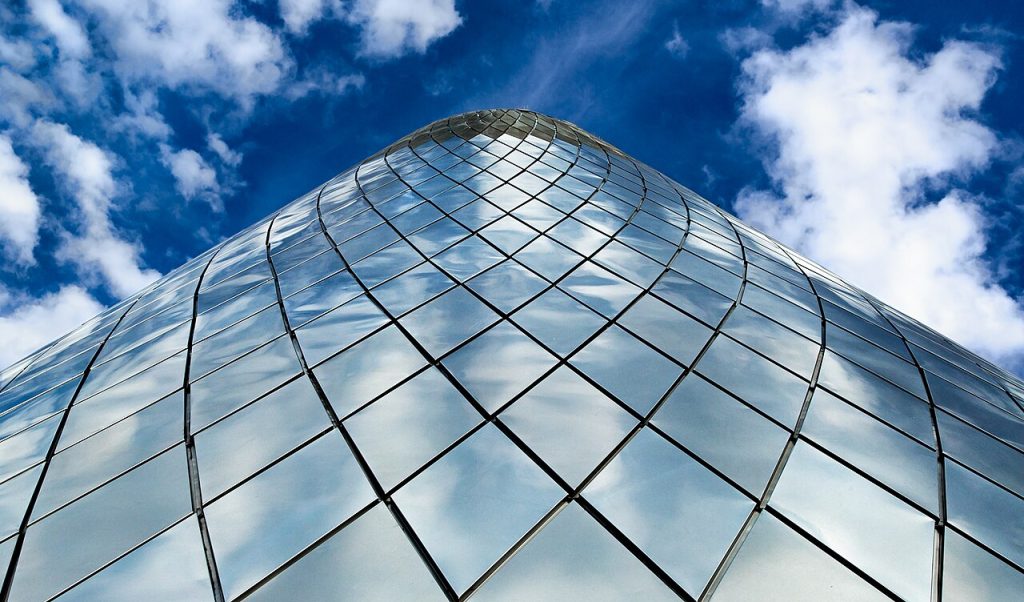
The Museum of Glass sits along Tacoma’s Thea Foss Waterway in the Museum District, connected to downtown by the iconic Chihuly Bridge of Glass. But the real reason to make the trip — beyond the rotating exhibitions that consistently punch above their weight — is the Hot Shop Arena: a working glassblowing facility housed inside the museum’s distinctive stainless steel cone. It’s part studio, part theater, and completely transfixing.
The Hot Shop runs live demonstrations most days the museum is open, and watching a team of resident artists work together around that molten core is one of the more quietly thrilling things you can do in this city. Glass is deceptive. It looks passive and solid in a window or a vase, but in its molten state it moves like honey, glows like sunrise, and demands constant attention. The artists here — who rotate through residencies and come from programs around the country — work with a kind of choreographed urgency that holds the room rapt.
You watch one artist gather material from the furnace on the end of a blowpipe, another step in to shape it with wet newspaper and wooden tools, a third managing the temperature in a secondary furnace called the glory hole. Nobody narrates for dramatic effect. The work speaks for itself. And yet the Hot Shop staff are genuinely happy to answer questions, explain what is happening, and tell you why that color just shifted from orange to deep cobalt as the glass cooled.
The permanent collection is worth an unhurried loop — strong holdings in studio glass from the 1960s onward, with a particular emphasis on Pacific Northwest artists — and the temporary exhibitions tend to bring in serious contemporary work. But I keep coming back for the Hot Shop. There is something grounding about watching a skilled person transform raw materials into something beautiful through pure physical attention. It makes the finished objects in the galleries land differently afterward.
Admission is reasonable, parking is available nearby, and the museum’s café makes a decent lunch stop before or after. The Hot Shop demonstration schedule is posted on the museum’s website, and if you are traveling with kids, know that they tend to go completely still during the molten gather. That alone might be worth the price of admission.
Tacoma’s reputation as a glass city is well earned, and the Museum of Glass is where that story is told most seriously. The Hot Shop is where it is still being written.