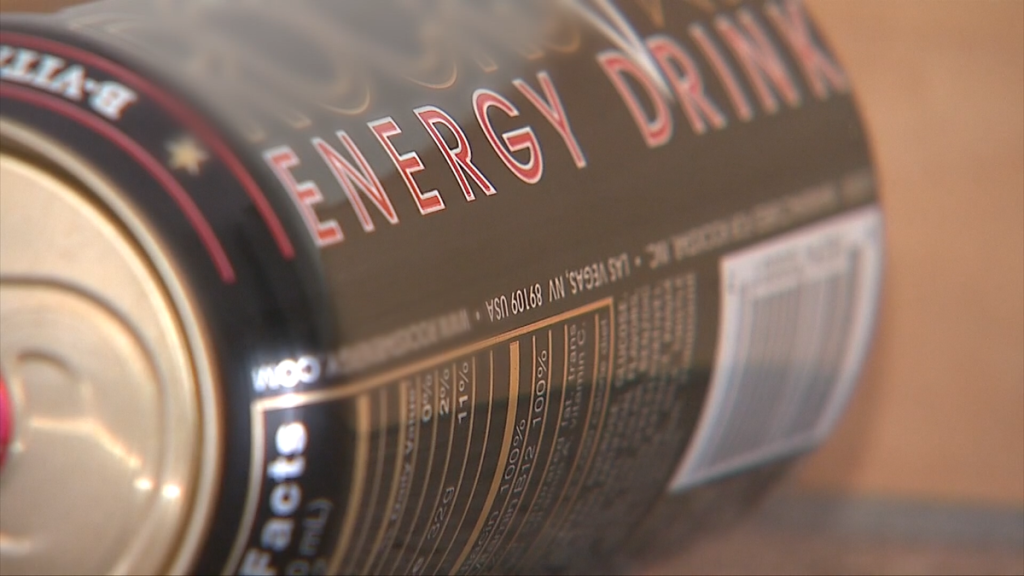
Energy drinks, popular among teenagers for their vibrant flavors and candy-like taste, are under scrutiny following a Consumer Reports investigation. The report highlights the potential health risks associated with the high caffeine content found in these beverages, which often exceed the daily recommended limit for teens.
Understanding the Caffeine Content
Consumer Reports tested 23 popular energy drinks and shots to compare the labeled caffeine content with the actual amount present. While most drinks matched their labels, some contained up to 16% more caffeine than advertised. For instance, Bang Energy Peach Mango was labeled at 300 mg but tested at 305 mg, while Alani Nu Energy, Cherry Slush had 215 mg against a 200 mg label.
Teenagers are particularly vulnerable to the effects of excessive caffeine, which can lead to insomnia, anxiety, jitters, and heart-related symptoms. The issue is compounded when teens consume caffeine from multiple sources, such as coffee, soda, and medications, potentially exceeding safe levels even for adults.
Parental Guidance and Industry Response
The American Beverage Association emphasizes the role of parents in managing their children’s beverage choices. They recommend that parents check labels, track total caffeine intake, and monitor their children’s sleep patterns to prevent a cycle of fatigue and caffeine dependency.
Consumer Reports advises that teens should be educated on reading labels and understanding that even a single energy drink can push them over their daily caffeine limit. This awareness is crucial in helping them make informed decisions about their consumption habits.
Conclusion
With energy drinks readily available and appealing to young consumers, it’s essential for parents to be vigilant about their children’s caffeine intake. By staying informed and proactive, families can better navigate the potential health risks associated with these popular beverages.
Original reporting: WRAL Raleigh — read the source article.